3-5 min speech. Aim for five.
- What you think you are.
- Who you are.
- Link the two together.
Parameters:
- 3-5 minutes.
- Intro, body, conclusion.
- Fluid transitions.
- Cite two sources.
- Three images.
Due 2015-02-05
Random records and ruminations by Damon V. Caskey.
3-5 min speech. Aim for five.
Due 2015-02-05
WRD111-44
Kolf, Emily
2014-01-18
Caskey, Damon V
If you were to view this recent article (if you wish to, please create an account and let me know so I can give it access), you would find I the following is really a reiteration:
I do have a large body of written work, but am not by any fair standard a “writer”. It simply isn’t within my purview. That said I am a trained and experienced verbal communicator, particularly with improvisational public speaking. When writing, I attempt to leverage this skillset by imagining I am speaking to a group and simply attempt to transcribe the resulting stream of consciousness.
It’s a crude method and of little use for formal research, but does allow quick fabrication of content and by nature is vocally presentable. The detriments are incoherence, source citing and poor reading flow. These are all areas I wish to improve upon.
A semi-professional profile with (silly) picture may be found here. Thank you for reading. I look forward to working with you and the class body!
DC

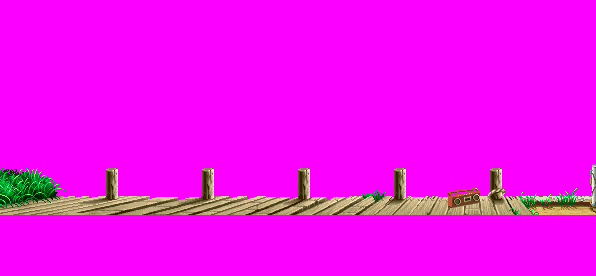
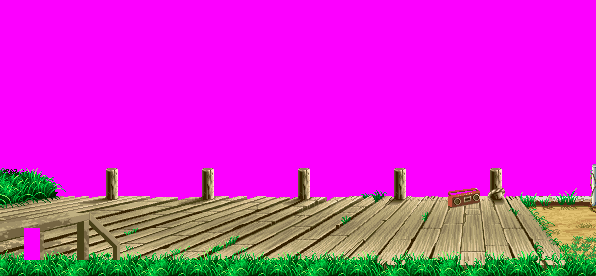
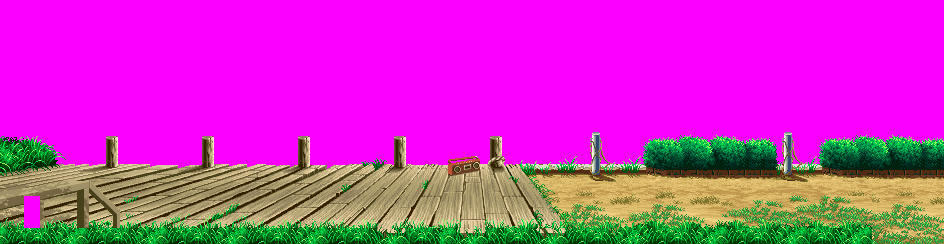
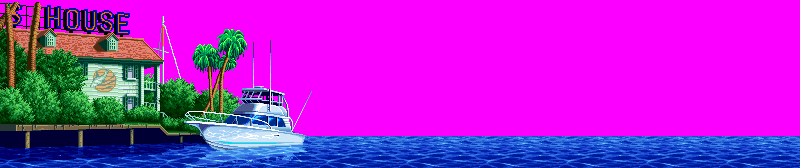
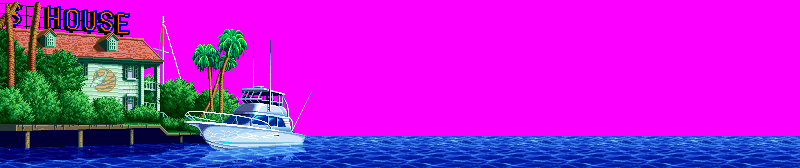
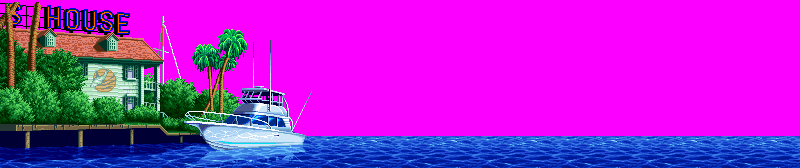
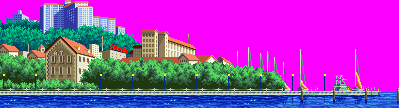
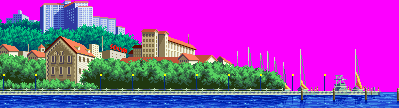
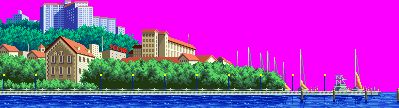
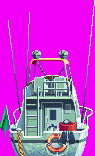
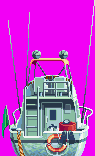
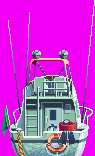
Multiple stage layer example with OpenBOR. See gallery below for stage broken into its individual resources.
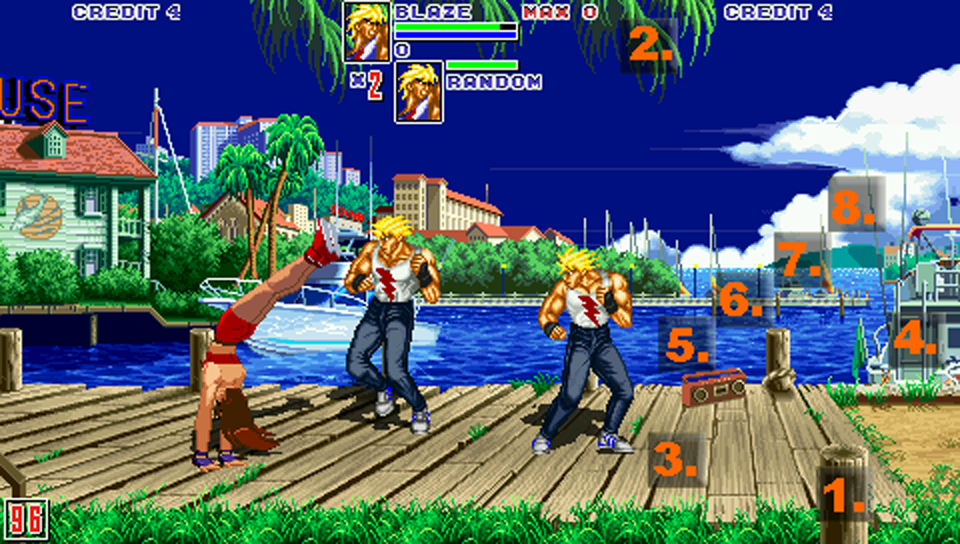
This stage is comprised of eight layers. See text for description of each.
From front to back:
With eight independently scrolling layers, the visual effect is that of near 3D scrolling when characters traverse the stage. A final touch is an invisible entity resetting the stage palette to the next of ten increasingly darker and redder hues every thirty seconds of real time. This creates a sunset effect during game play.




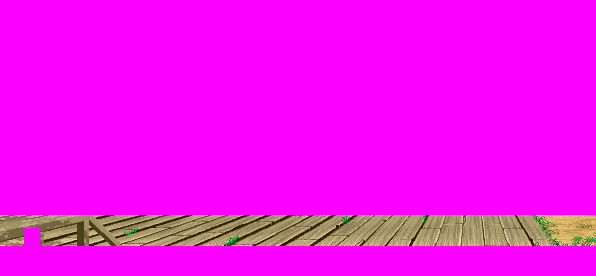

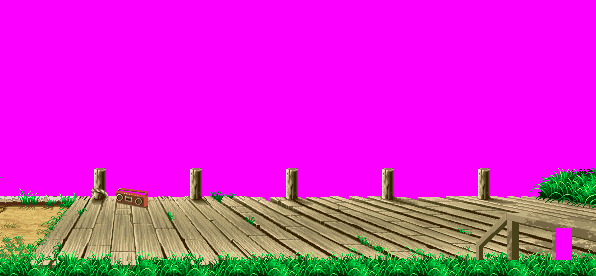
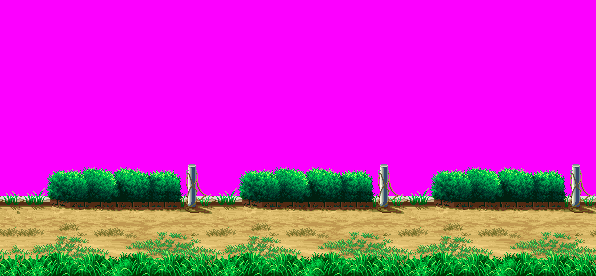
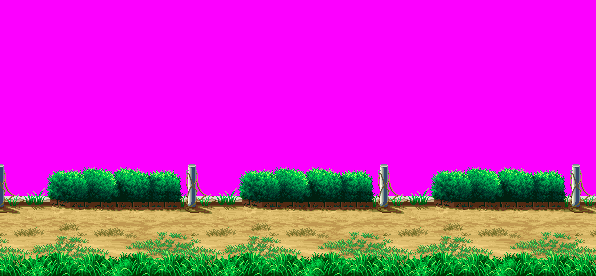
















DC’s Object Core Library is an effort to bring some of the benefits of object oriented programing to the OpenBOR script engine. Although it is technically impossible to define a true object through OpenBOR script, careful structuring of functions into methods properties allows us to closely simulate OOP behavior.
The DC Damage Library coves a fundamental building block; damaging entities. After all, there is little use in something like a bind/grappling system without the means to apply damage. It is very important to not only damage entities using the engine’s built in damage system, but to do so in a controlled way. You will find this system allows you near infinite combinations of settings to cover almost any damage needs.
This library is released under license seen here.
In its most basic form, there are exactly three steps once you’ve installed the DC Damage Object.
frame chars/dude/sprite1.png
    @cmd dc_damage_create_object 0 #Let's create an object with index of 0.
    @cmd dc_damage_create_object 0 findtarget(getlocalvar("self)) #Set the target to be the nearest enemy.
frame chars/dude/sprite2.png
frame chars/dude/sprite3.png
frame chars/dude/sprite20.png
     @cmd dc_damage_execute 0 #Apply damage the target of damage object 0.
frame chars/dude/sprite22.png
Now here’s where it gets interesting. If you do nothing else but the three steps above, you get a simple knockdown with 0 damage. Not all that exciting. But that’s because you applied damage without setting any properties other than the target. So now you’ll want to work with the other properties to crate different effects. The amount of force, knockdown, how far, which direction, and so on are all adjustable on the fly. Just call the relevant mutator function (see below for list) with the index and you desired value. Only worry about the properties you need to – the rest have defaults (you can change these defaults if you like, see Advanced Use). There’s even a set of constants provided to help you along.
Damage a target, change some settings, damage it again. Multiple objects can be used all it once, it really doesn’t matter.
These methods are used to execute basic actions.
Get object properties and status values. Unless noted otherwise, see the corresponding mutate method descriptions for property details.
Establish and change object properties. Where applicable default values for the property are listed.

The following are drafts submitted for all major writing assignments (ordered from earliest to latest):
Materials from final assignment (Food Ethnography).
While these mostly amount to simple thoughts or one offs, I hope they can offer a bit of the requested writers insight.
This blog itself contains dozens of random musings, adventure memories and other writings which you may peruse at will. Given that it was to become my choose subject for the class, I choose to specifically link the following missive about Druther’s, written ~one year before attending this class.
I would like to believe that if one were to examine all of my writing output, they would find that there is little to be read between the lines. Now I will tell you straight away this is not really true. As it happens I take great pleasure in little games, inside jokes, riddles and hidden messages within my writing. But all that said, the overall message itself is as honest and clear as I can make it. If nothing else because I lack the acumen it takes to weave complex imagery and commentary into what amounts to be a collection of thoughts.
So it is with telling you why and how I choose the works I did. Was there some special meaning behind each? With some noted exceptions, absolutely not. Truth be told I simply brought up my blog list, followed in order from earliest to latest and picked the items with more substantial content. Perhaps that’s not really the greatest message to send – especially considering this is part of my academic career, but I DID say I was an honest writer, and I’ll stand behind my choices good or ill.
The contents found are effectively a lead up to more elaborate and (hopefully) superior writings upon the primary subject I choose when presented with the class theme (food). I had already recently made a point to explore and document a restaurant that inexplicably holds sway in my memories – Druther’s, the last of a once thriving regional establishment. It was an easy choice to make. Why reinvent the wheel when I had already finished half the work? It only remained to formalize and find acceptable sources. There is a downside to this approach, and that is the lack of any true linear progression. You may find the thoughts and content to be all over the place, rather than a gradual increase in validity and quality. I can only hope it’s not too jarring.
Now comes the part where I must analyze myself as a writer. This is easy. I’m not a writer. Oh sure, in the technical sense we all are, but in the colloquial application of the term, not so much. That doesn’t stop me from trying. I’ve written dozens of fictional stories, characters, exploration notes, class papers, tutorials, the list goes on. in short, it’s fair to say I’ve actually produced a very large amount of content, though the vast majority will never see daylight. Unfortunately, I have no clue how to write. My strength is in speaking off the cuff and presentation. Stand me before a crowd, give me any subject and I can produce a several minute speech from nothing – making it all up on the spot. Hand me a blank paper and ask the same, and I am lost. Therefore, to write, I simply imagine myself speaking and attempt to transcribe the words. This works about as well (not at all) as you might expect.
Even now I am a bit confused at times which format to choose, flow of dialog and so forth. But I can credit the class with a bit of growth, and hopefully will be able to build upon what I’ve learned. For that, I will thank Ms. Casero’s efforts and promise I will endeavor not to waste them. Here’s to more and better!

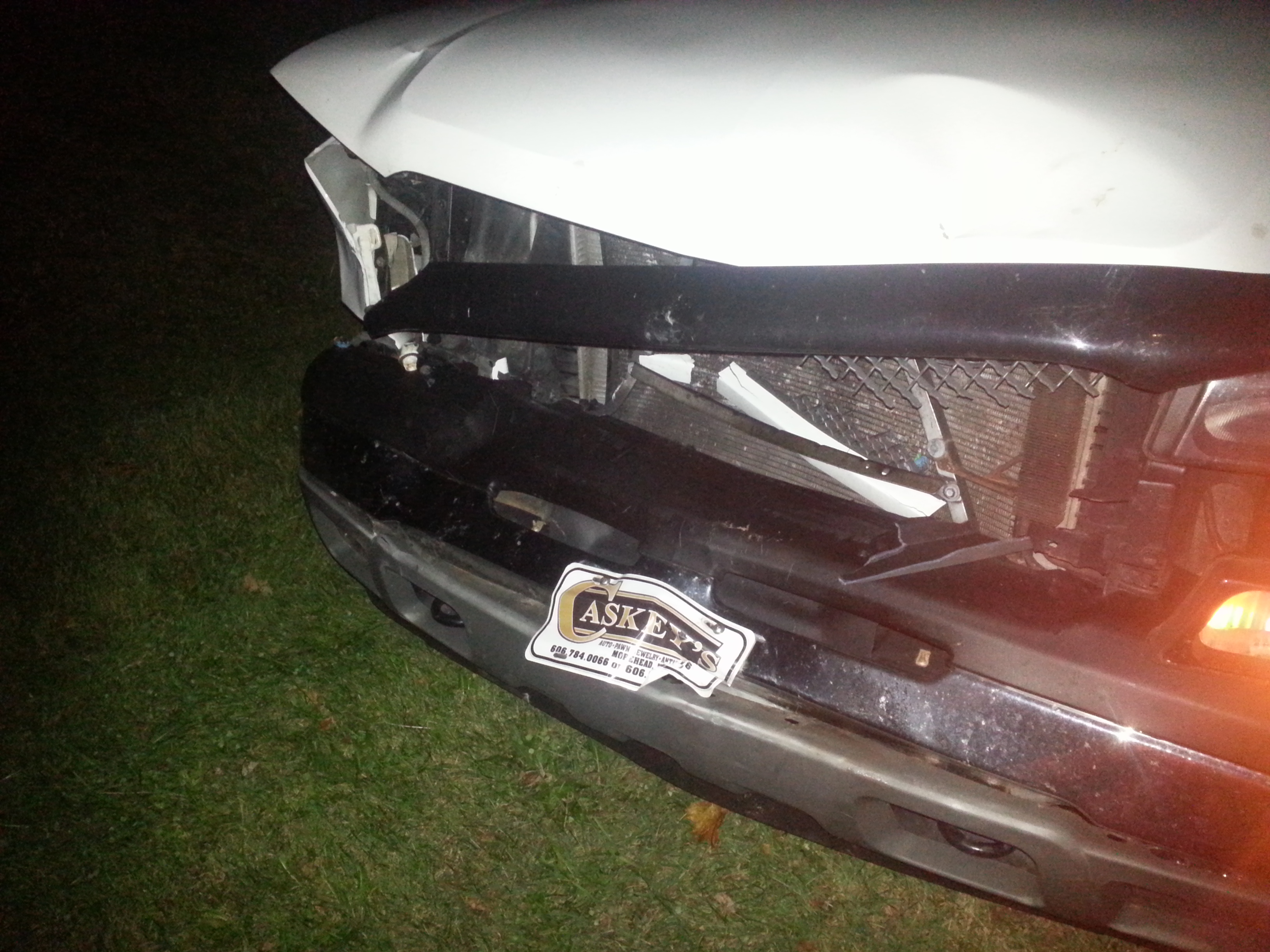
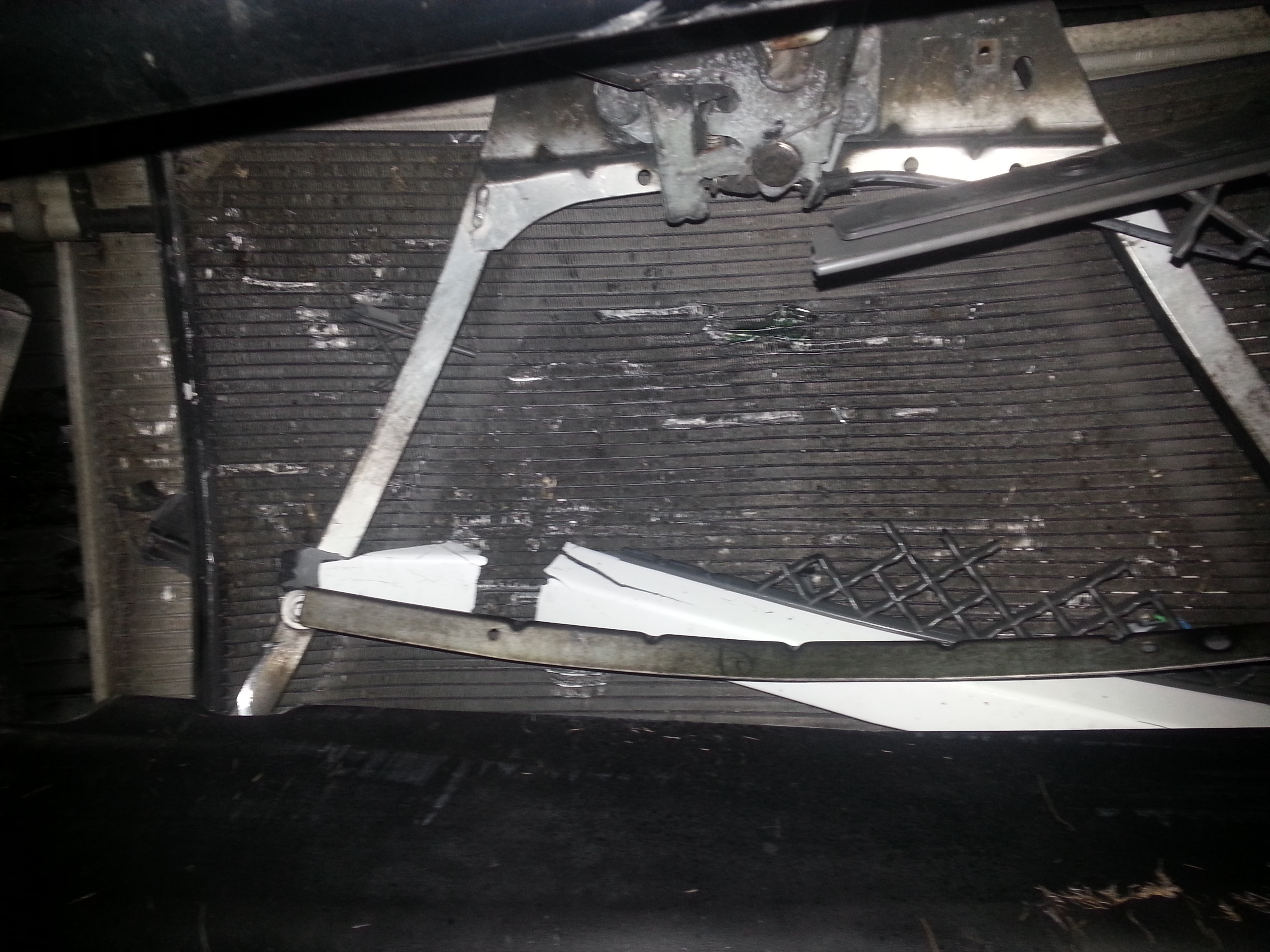
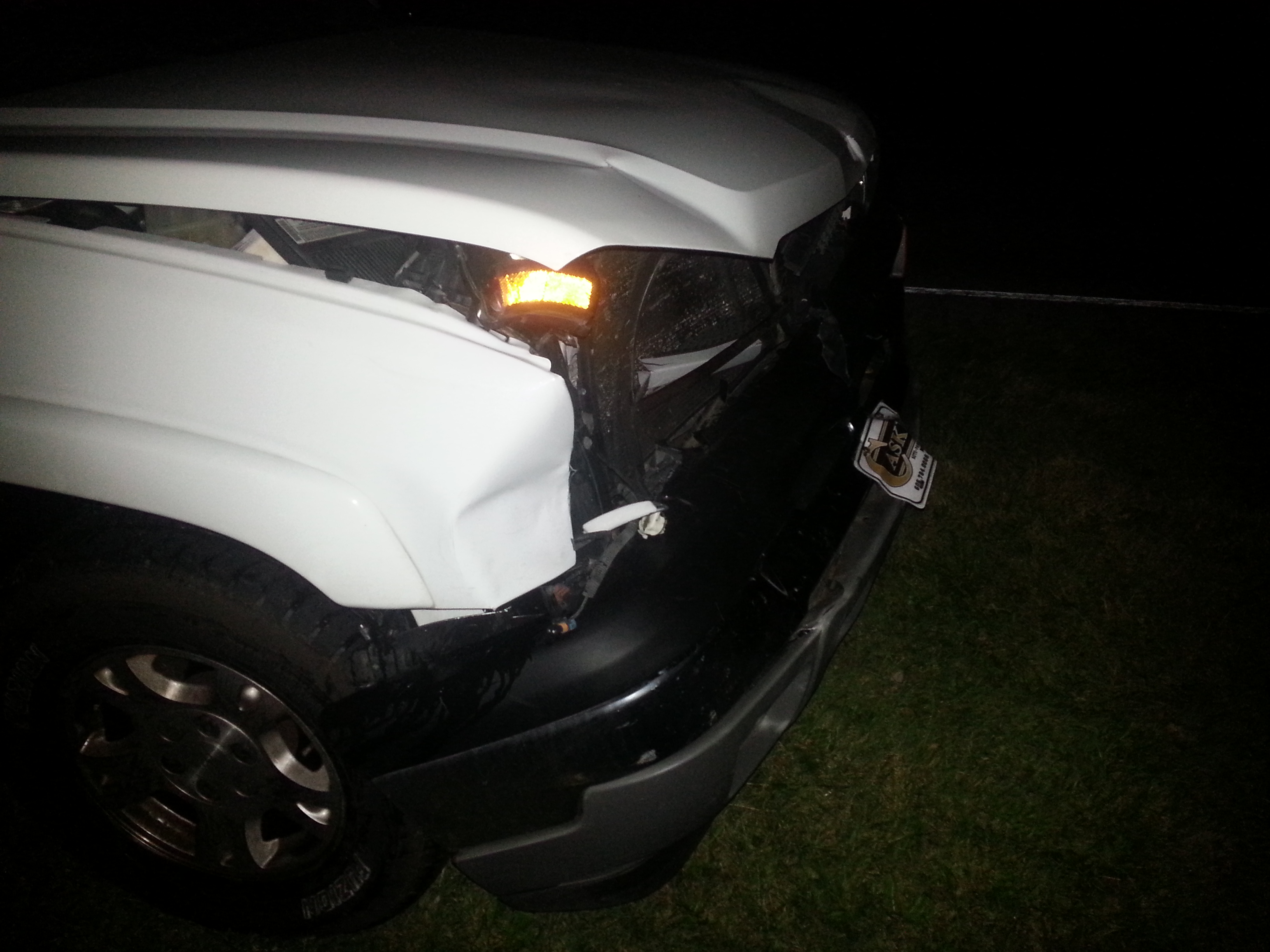
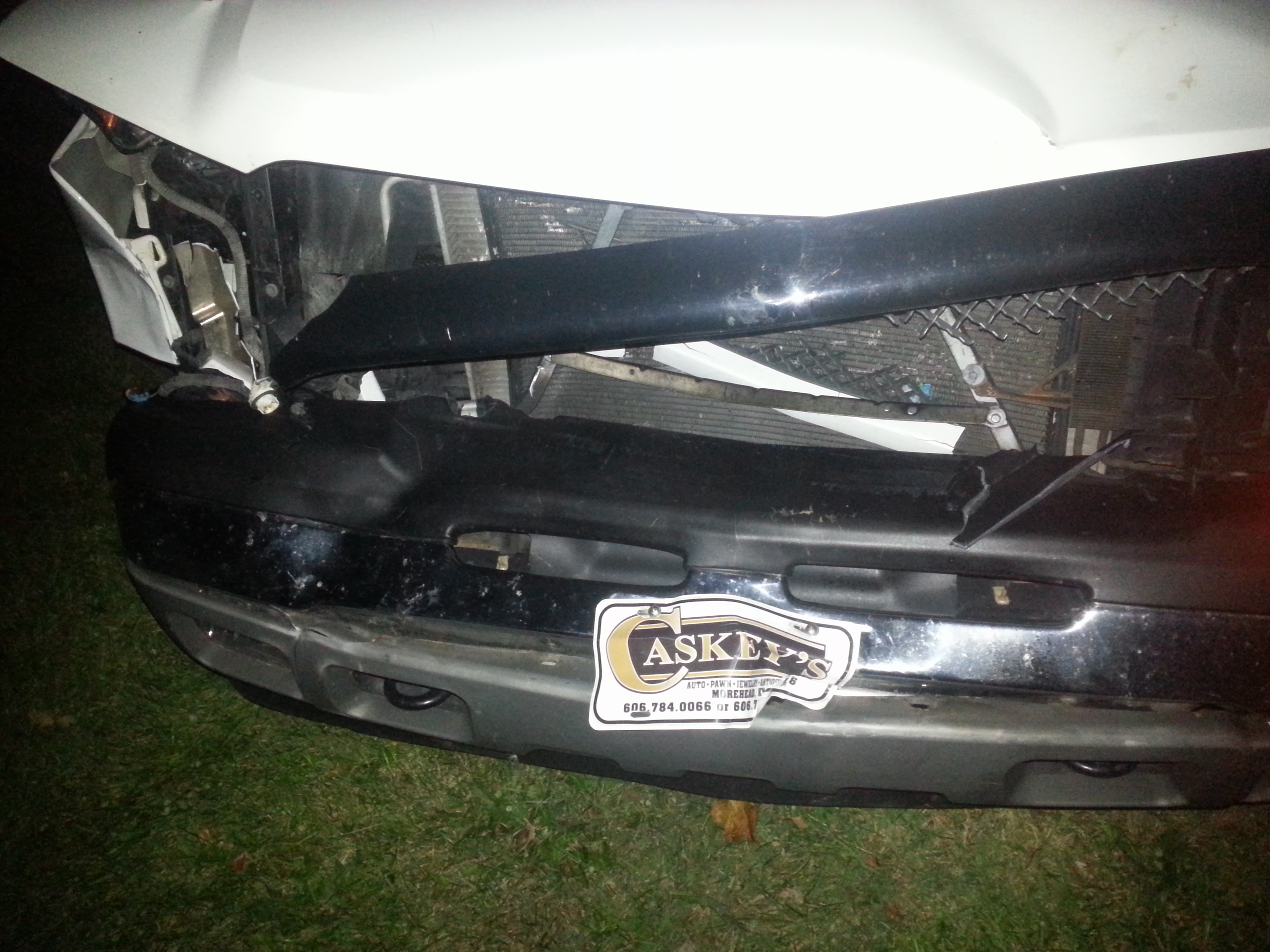
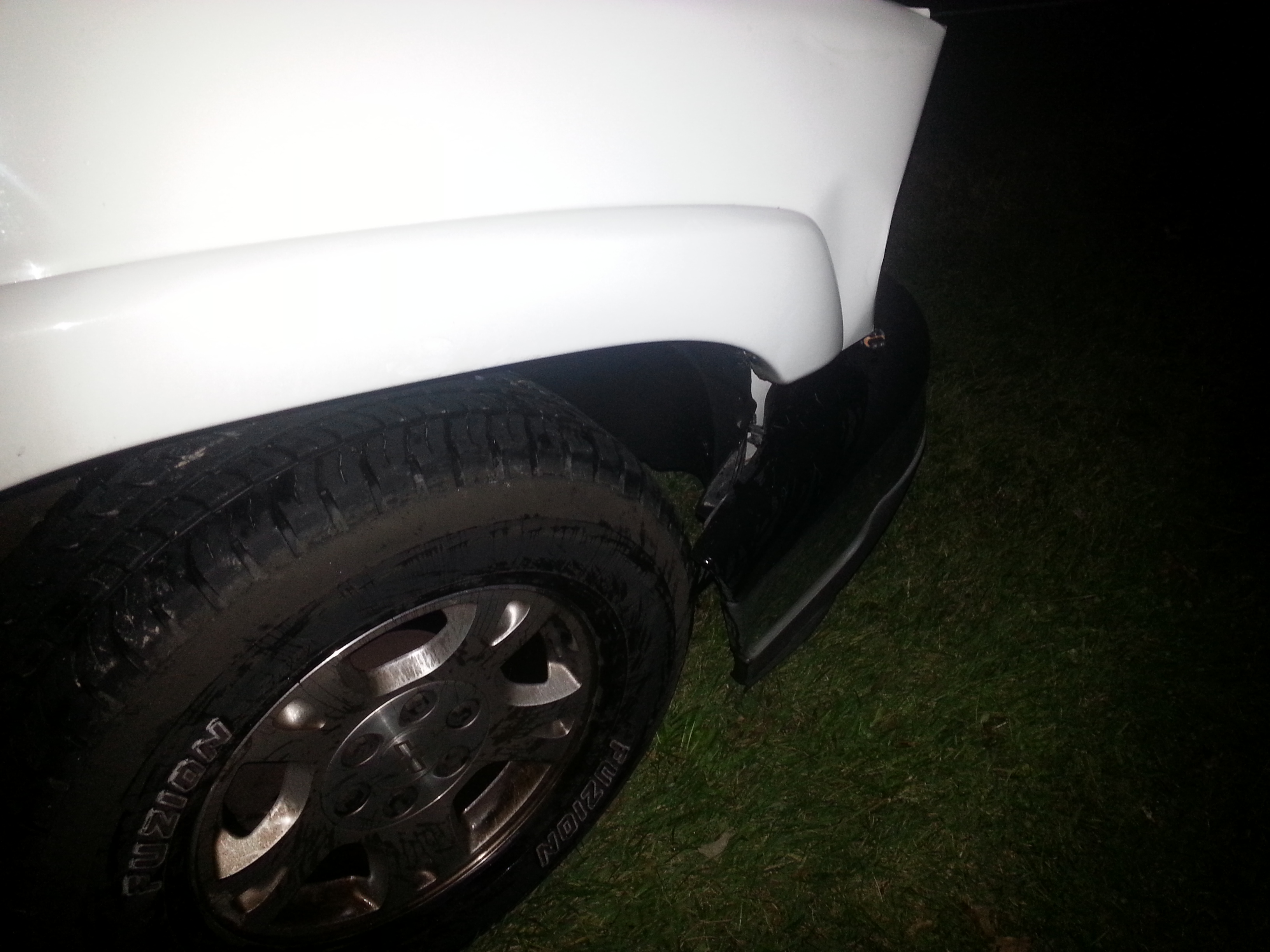
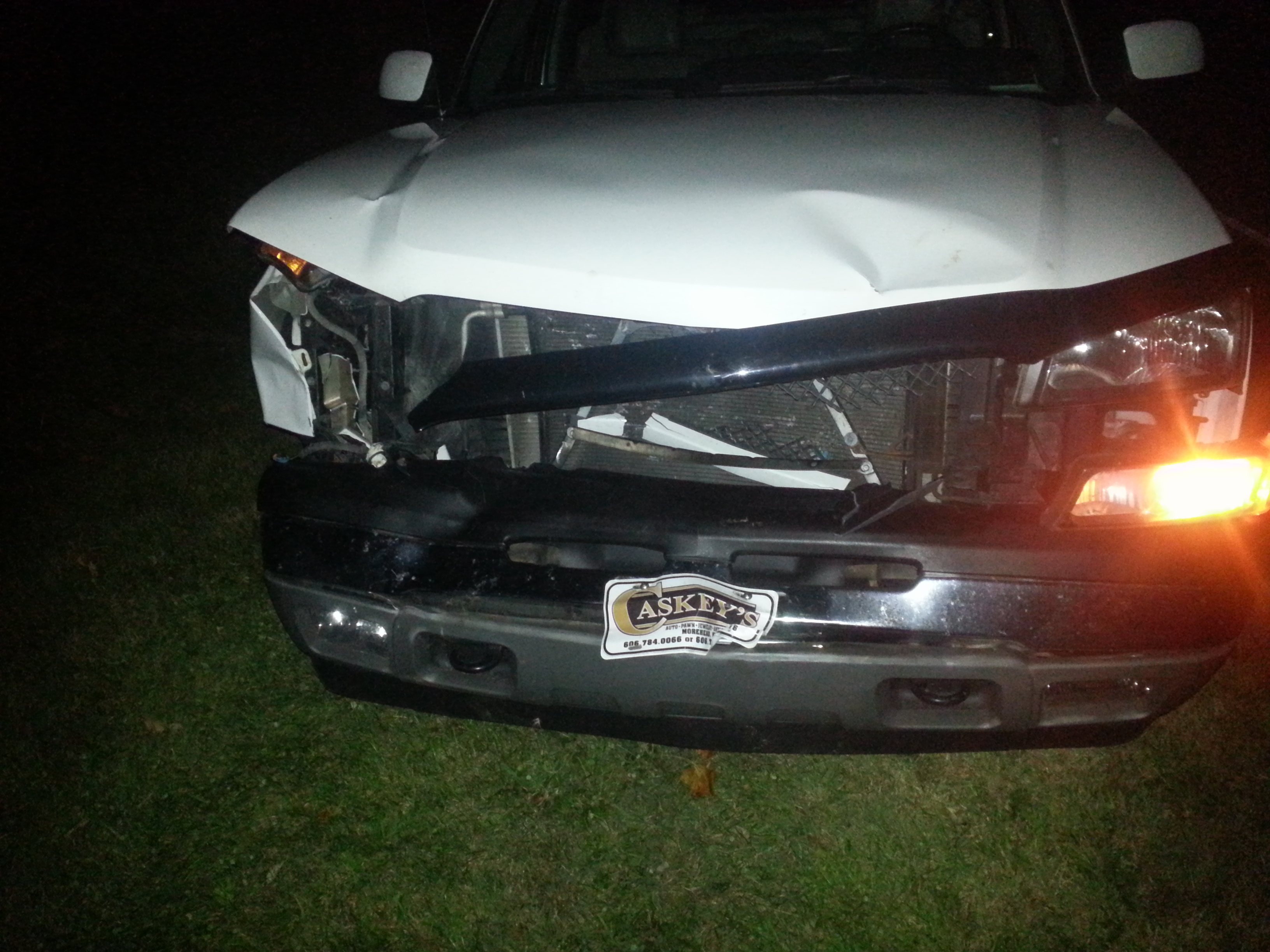
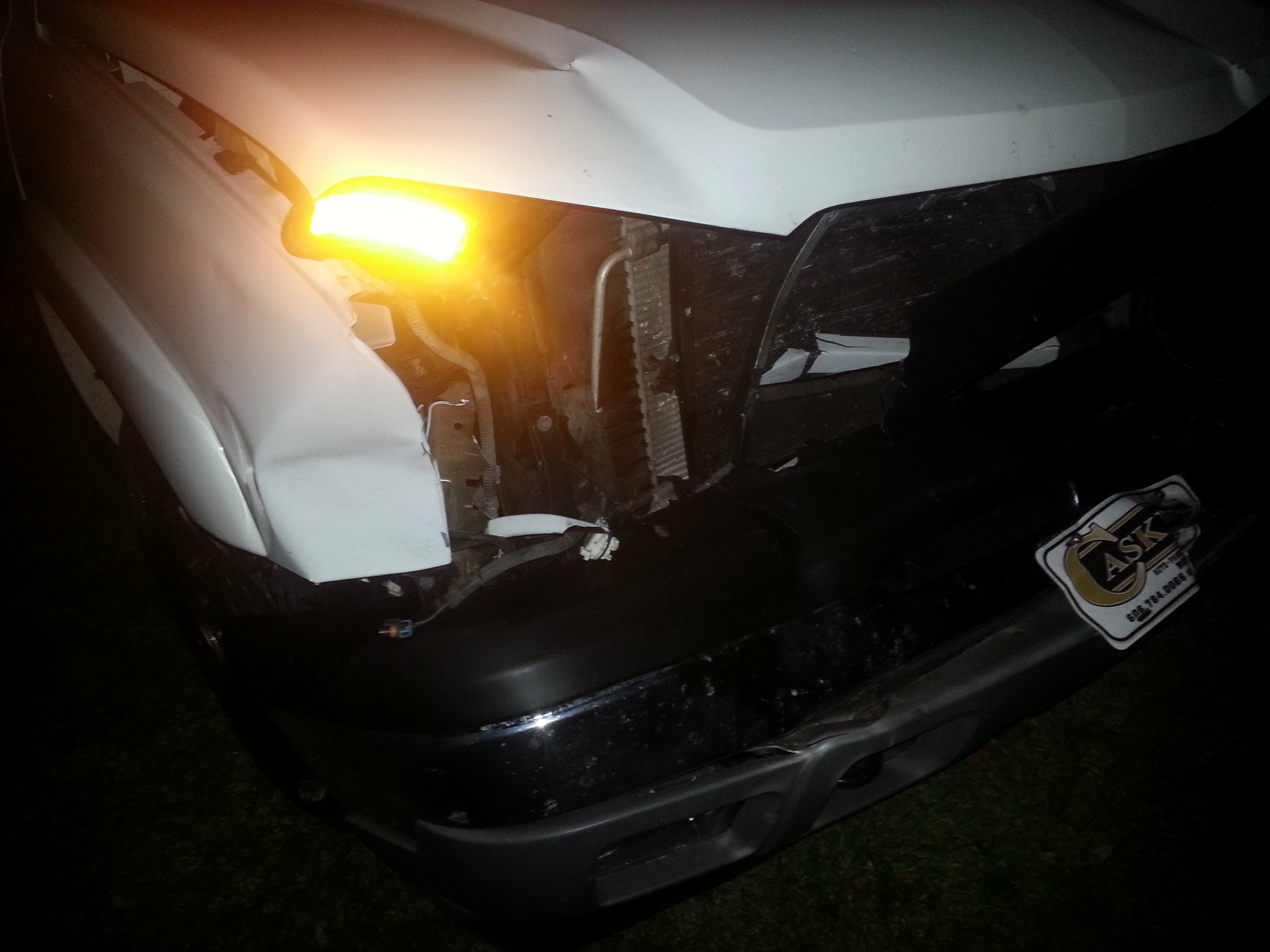
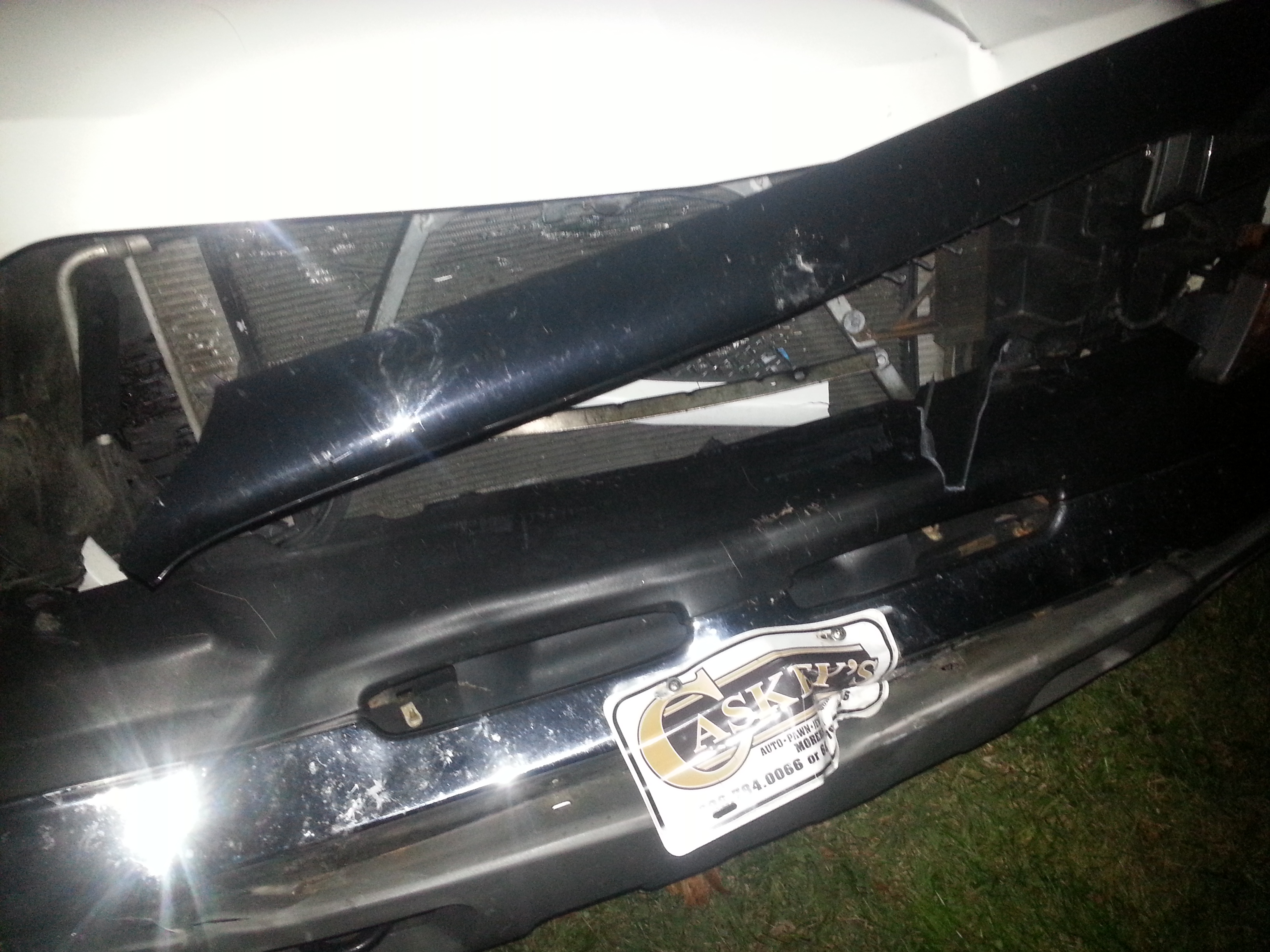
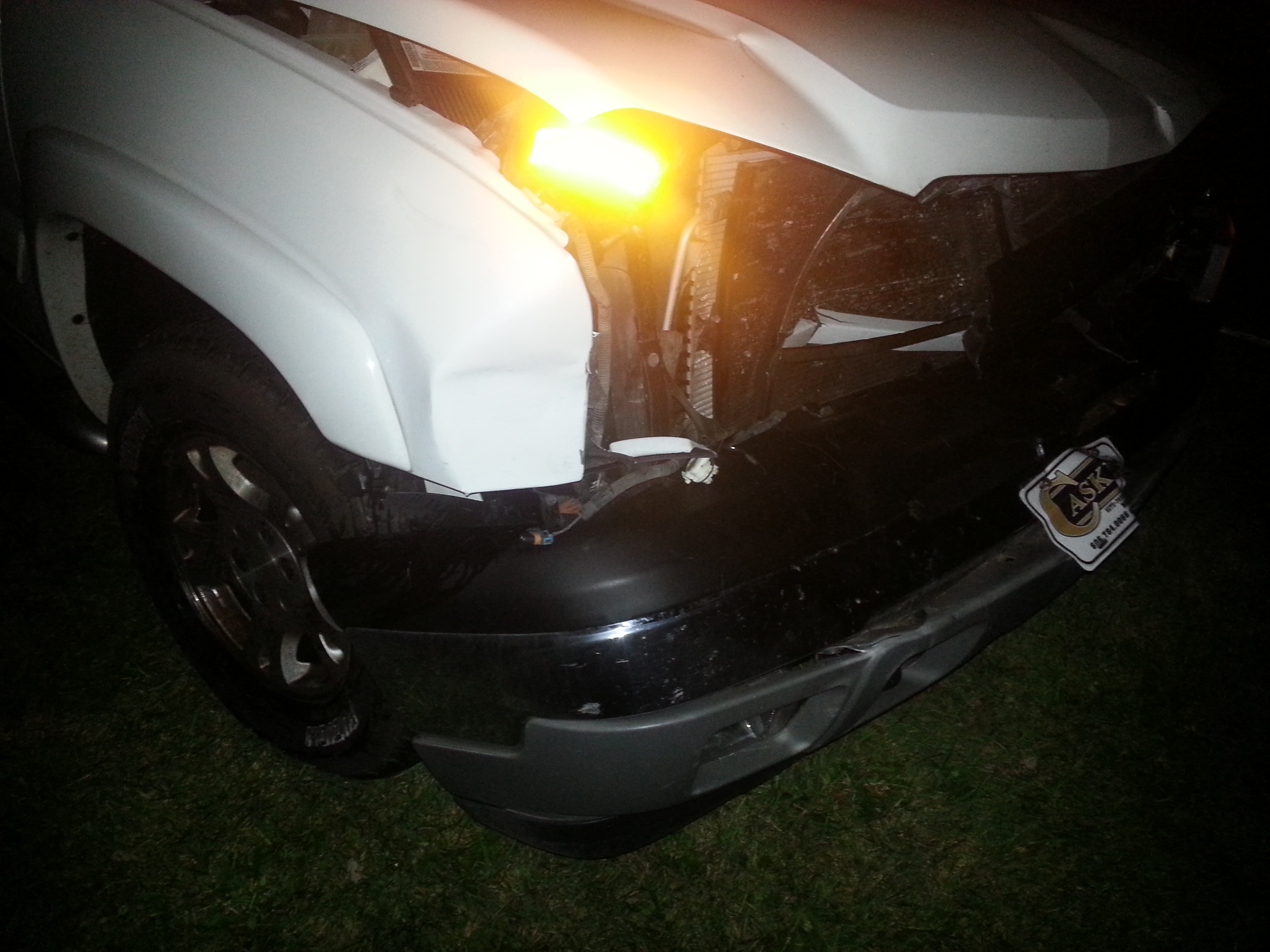
It’s simple probability. Ply the Appalachian highways long enough, and sooner or later you’ll meet one of Bambi’s buddies. Usually from behind a bush 10′ ahead and almost always at > 50MPH.
Guess it was my turn.



Looking for native enumeration with PHP? Sadly you are out of luck. PHP simply does not support enumeration out of the box. Fortunately though you do have some options. Each one has its attributes and shortcomings based upon your needs.
Creating a value list really is a simple affair with PHP. All you need is to craft an abstract class and define a group of constants within it. Abstract classes cannot be instantiated as objects, but their members are immediately available for referencing.
Here is an example for calendar months.
// Set up a list of months.
abstract class MONTH
{
	const
		JANUARY		= 1,
		FEBRUARY	= 2,
		MARCH		= 3,
		APRIL		= 4,
		MAY		    = 5,
		JUNE		= 6,
		JULY		= 7,
		AUGUST		= 8,
		SEPTEMBER	= 9,
		OCTOBER		= 10,
		NOVEMBER	= 11,
		DECEMBER	= 12;
}

// Now echo a value.
echo MONTH::APRIL;
That’s really all there is to it! Sure, this isn’t true enumeration. You must still key in values. Plus there’s no error checking or type hinting for switch operations and similar ilk as you’d find in a compiled language. What you do get is a simple list with encapsulation and list type hinting from the IDE. All with minimal code. Keeping the global namespace clean alone is a fantastic benefit.
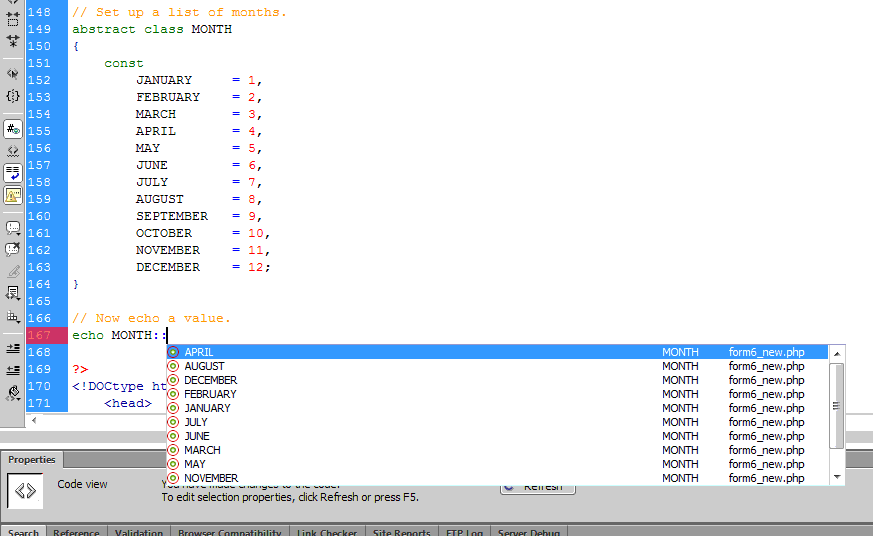
A few keystrokes and your IDE springs to action.
For most rudimentary enumeration needs this should prove more than sufficient, at least until the fine folks at PHP step up and provide us with the real thing.
Until next time!
DC
Here’s an easy one, but sometimes still troublesome for individuals testing the waters of SQL: How to quickly copy a table. There are lots of cases where you need to duplicate a table in all but name. Maybe you want the data as well, maybe not. Unfortunately this seemingly simple task is lacking as a functionality in most development tools – including the big boys like MS SQL Server Management Studio.
The good news is there’s a perfectly logical reason such a feature isn’t apparent: It’s part of SQL already, and super simple to boot. Here’s what to do:
SELECT * INTO schema.new_table FROM schema.existing_table
Execute this as a query and voila! You now have a duplicate of the old table, complete with data. Want to make a copy sans data? Just query for a non existent key value.
SELECT * INTO schema.new_table FROM schema.existing_table WHERE some_field = non_existing_value
It’s really that simple. No plug ins or complex write ups required.
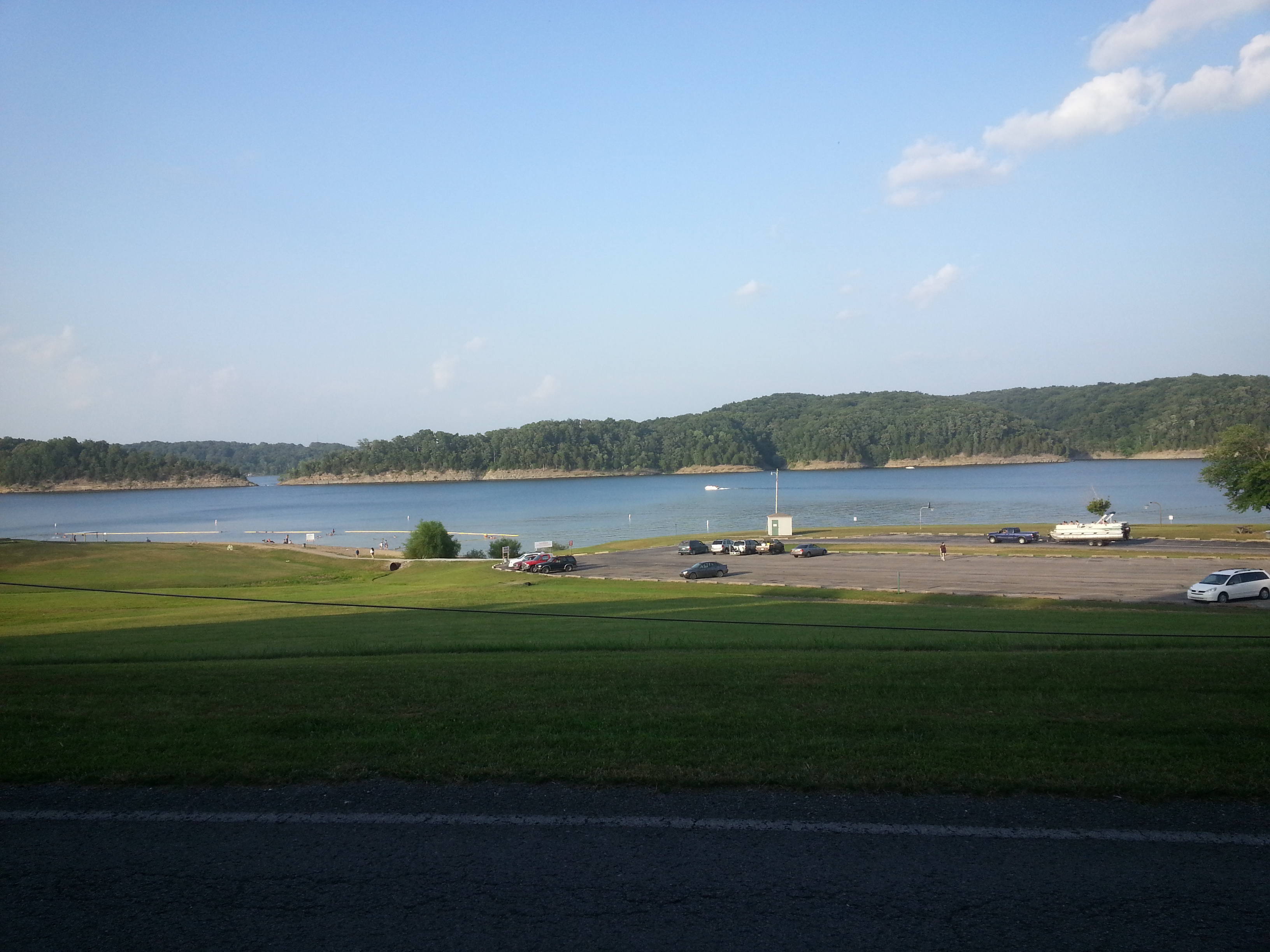
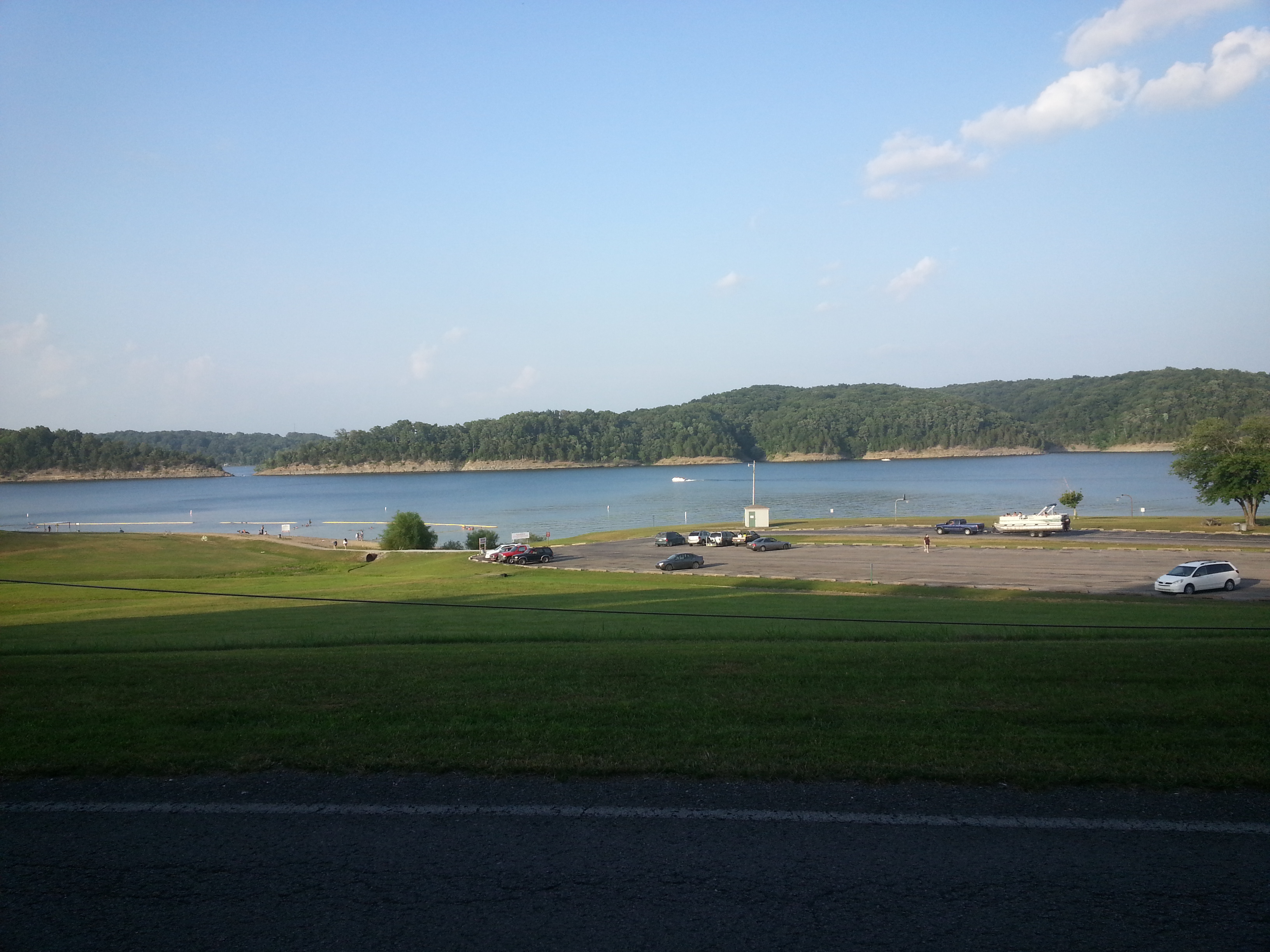
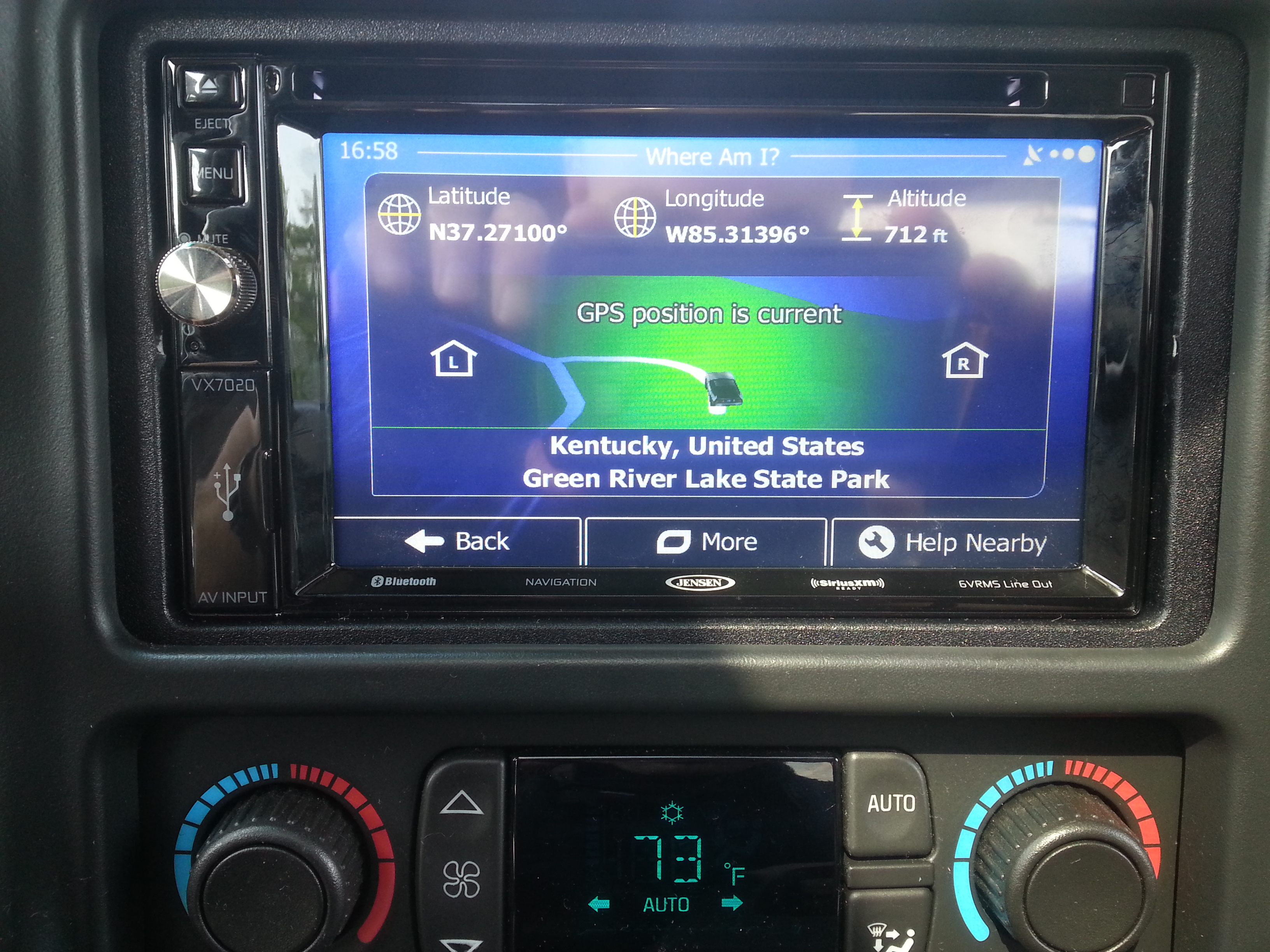
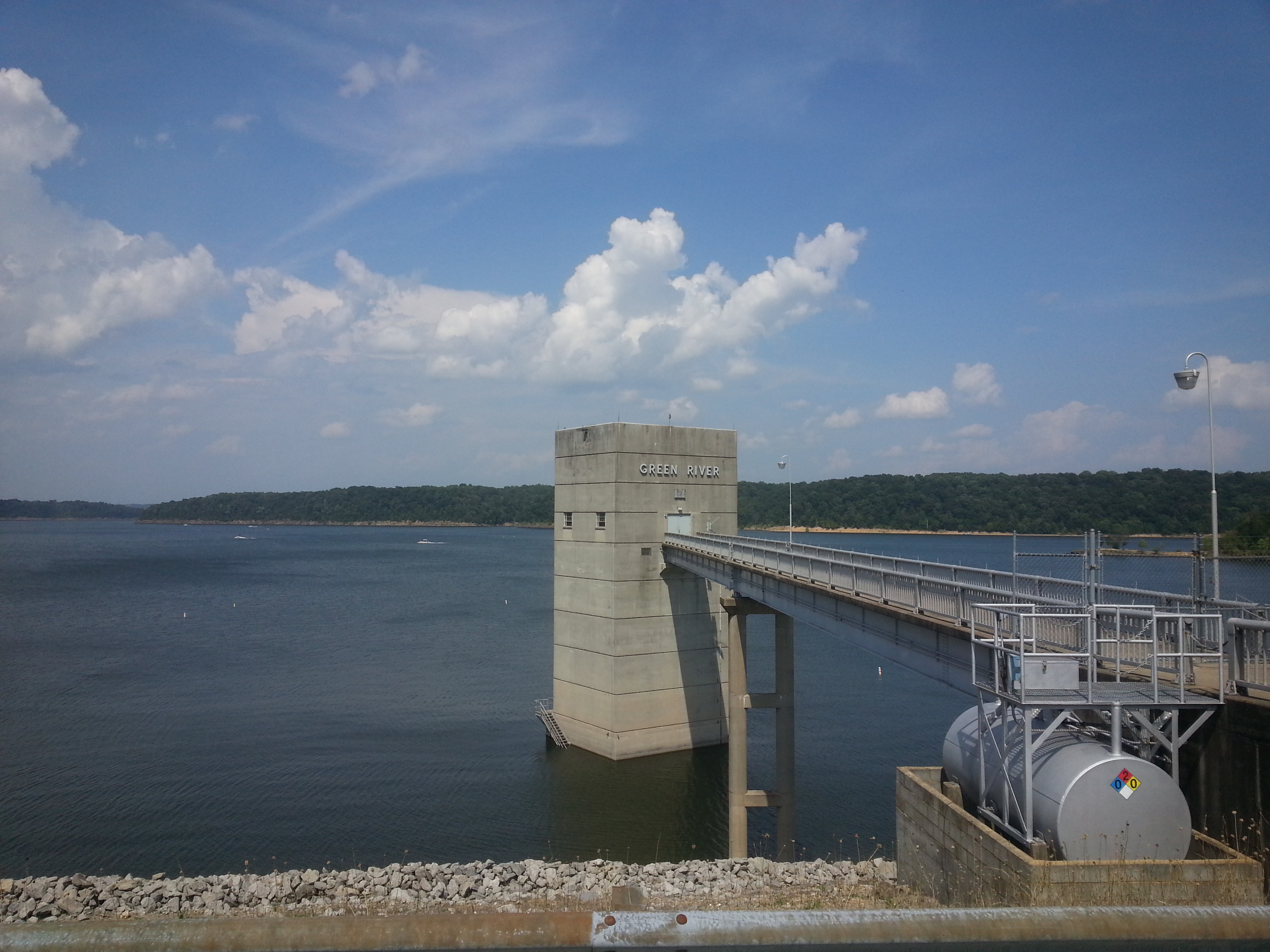
 Script for presentation
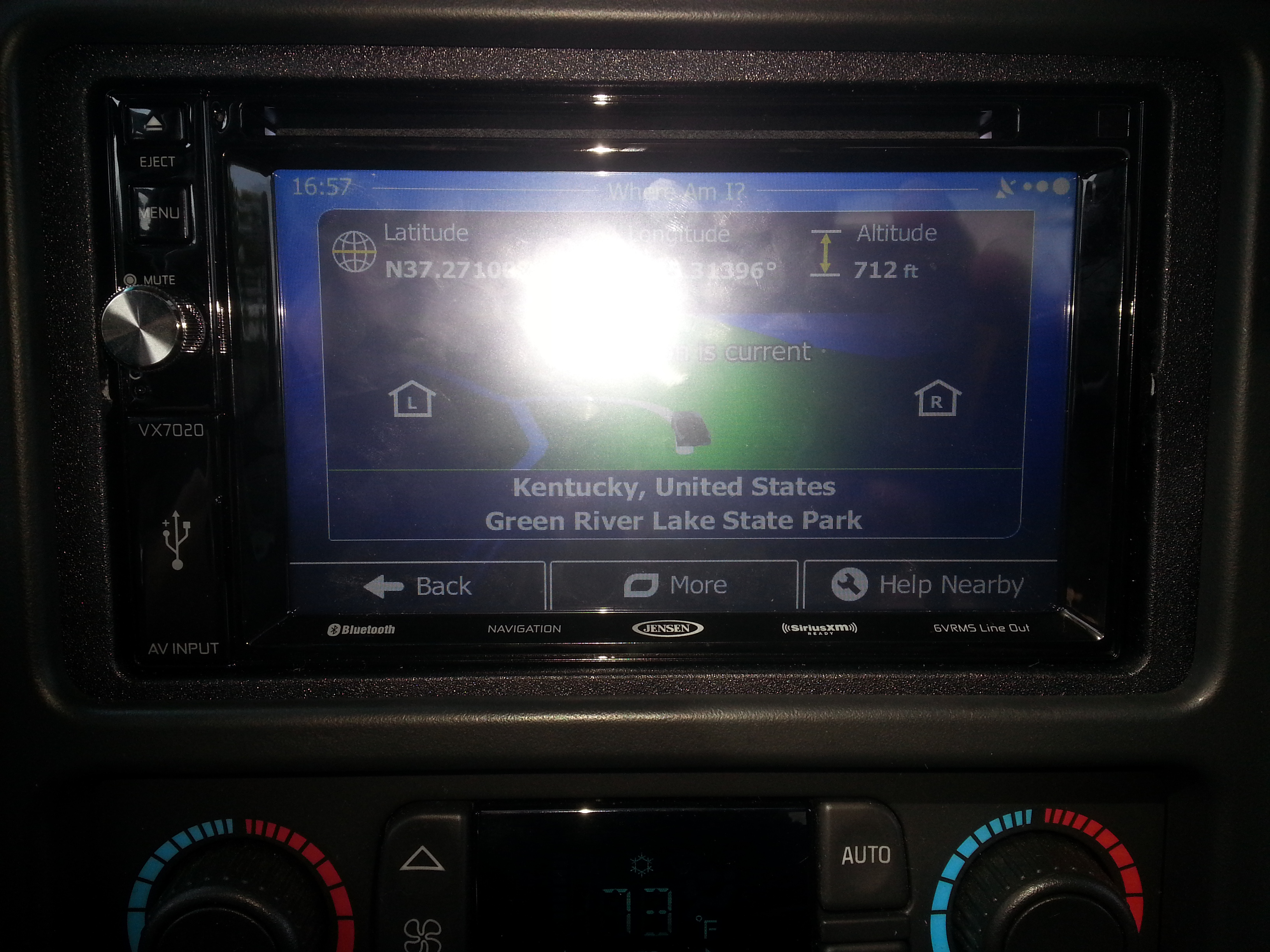
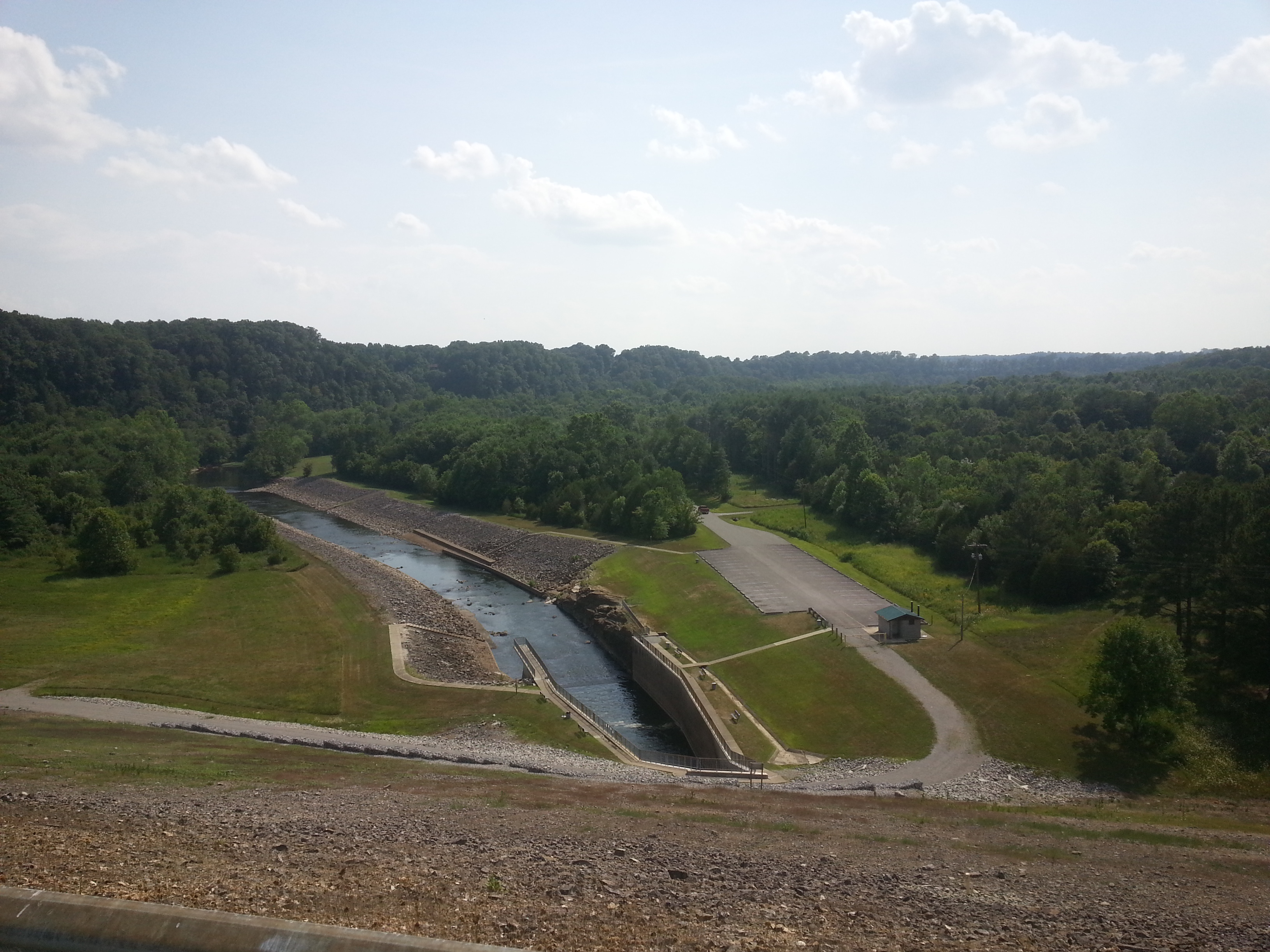
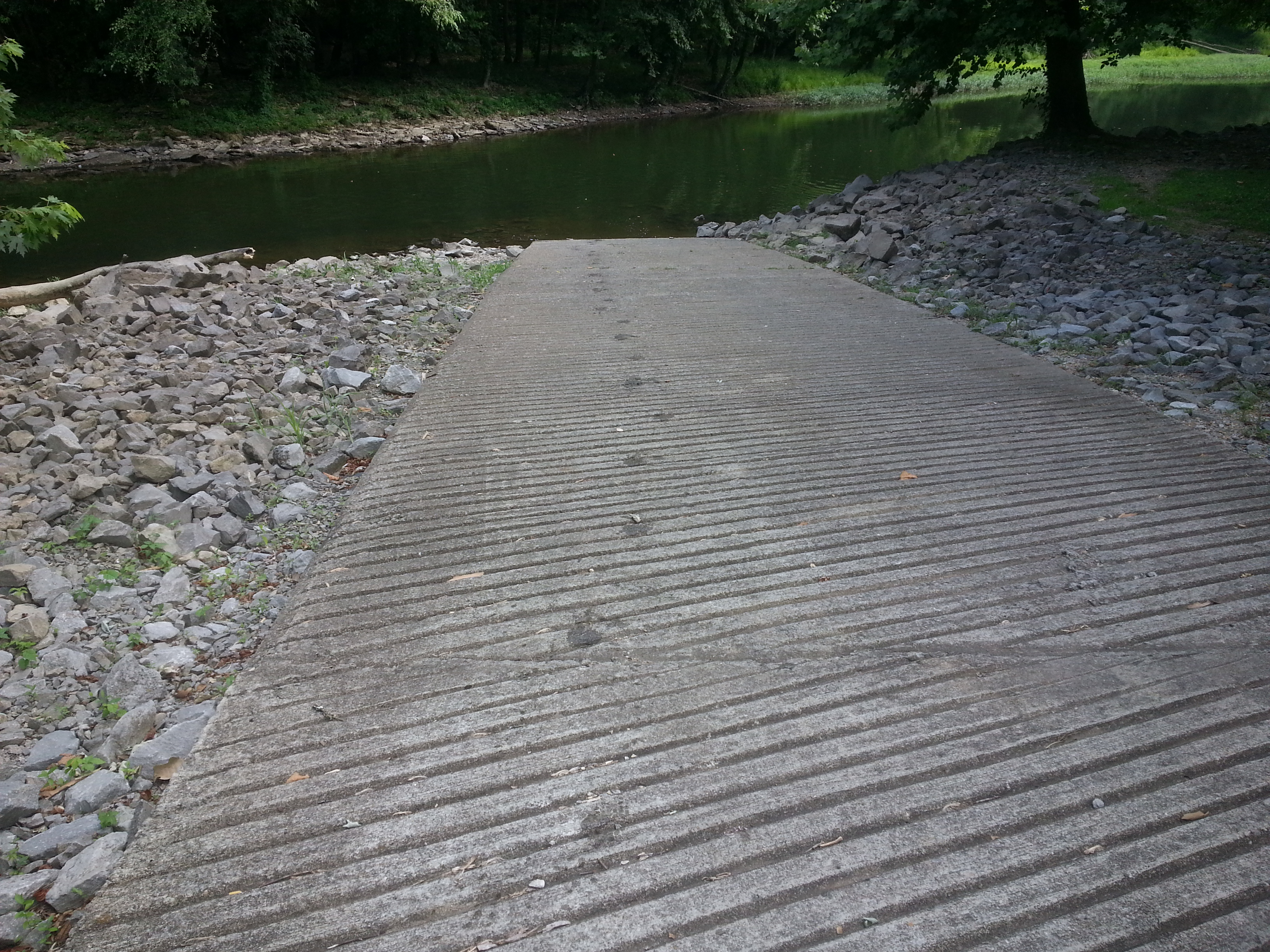
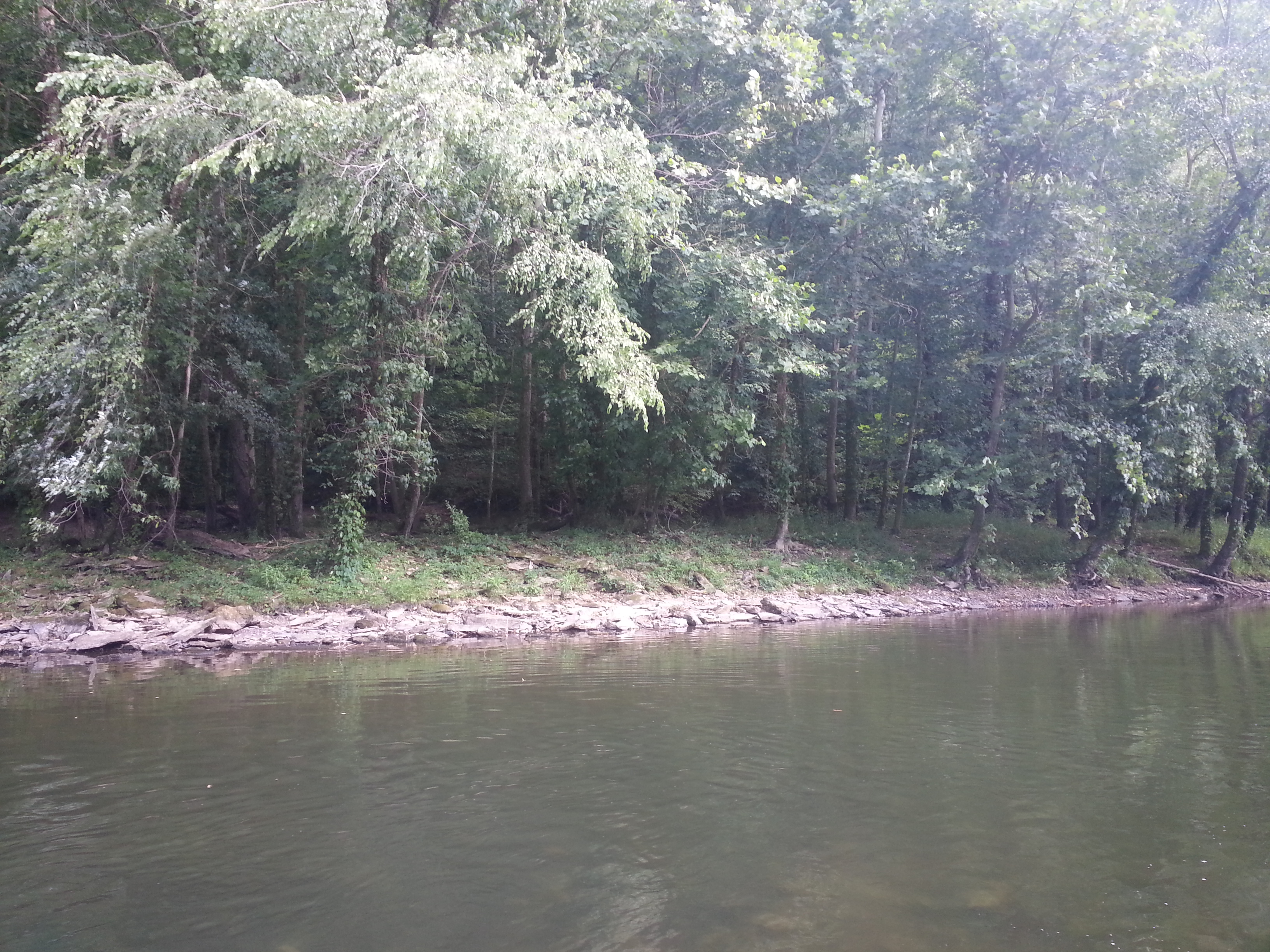
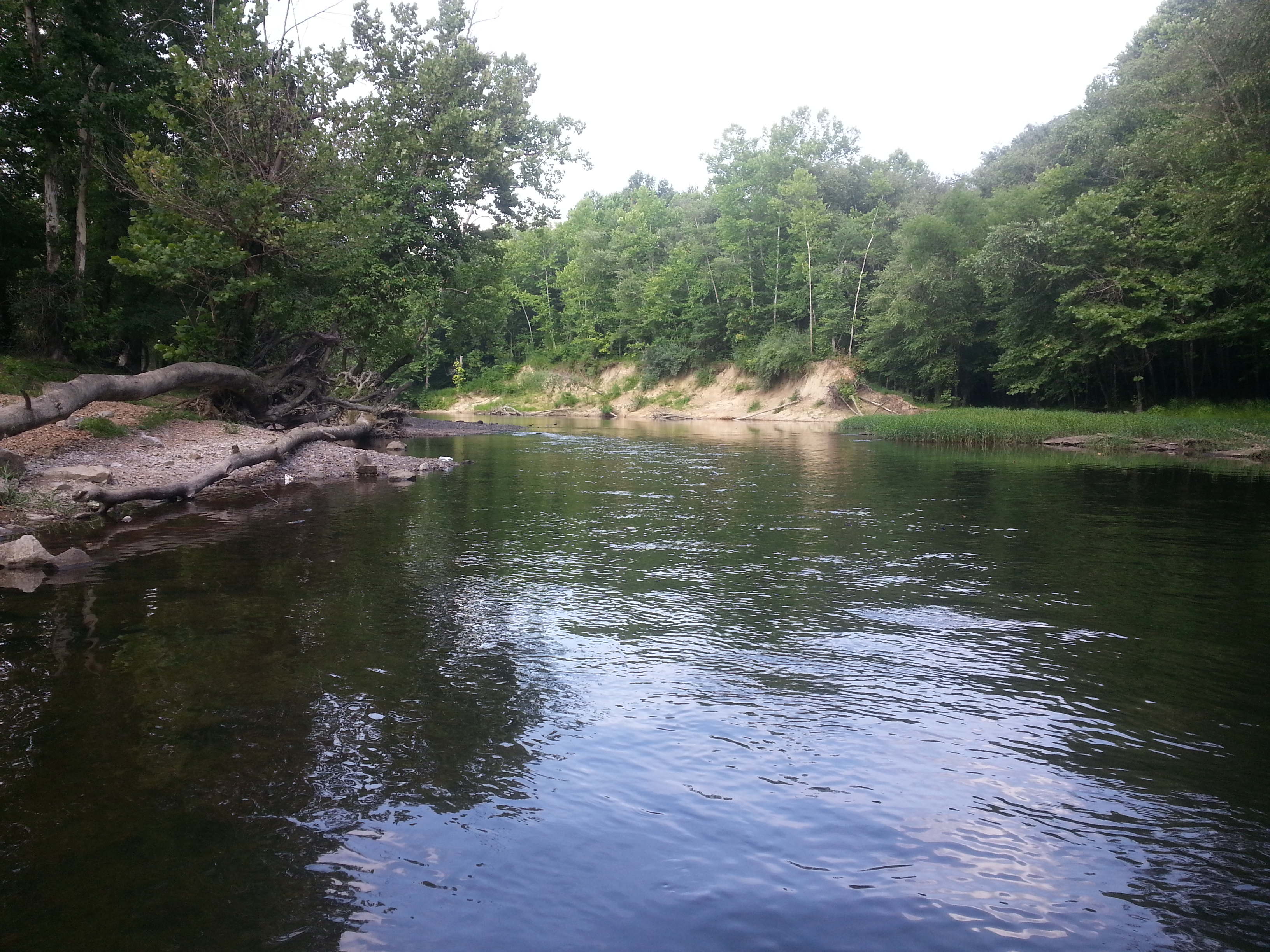
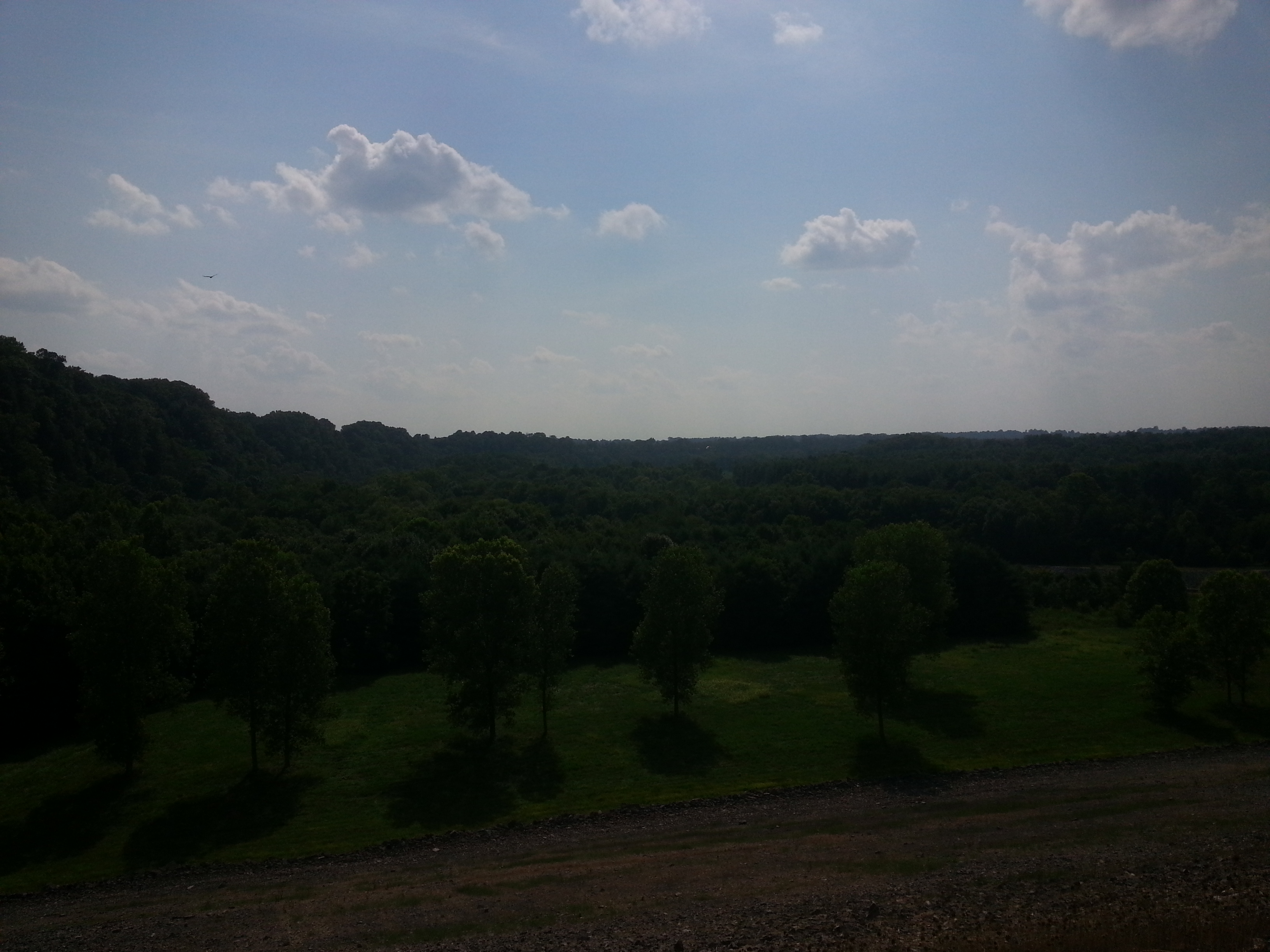
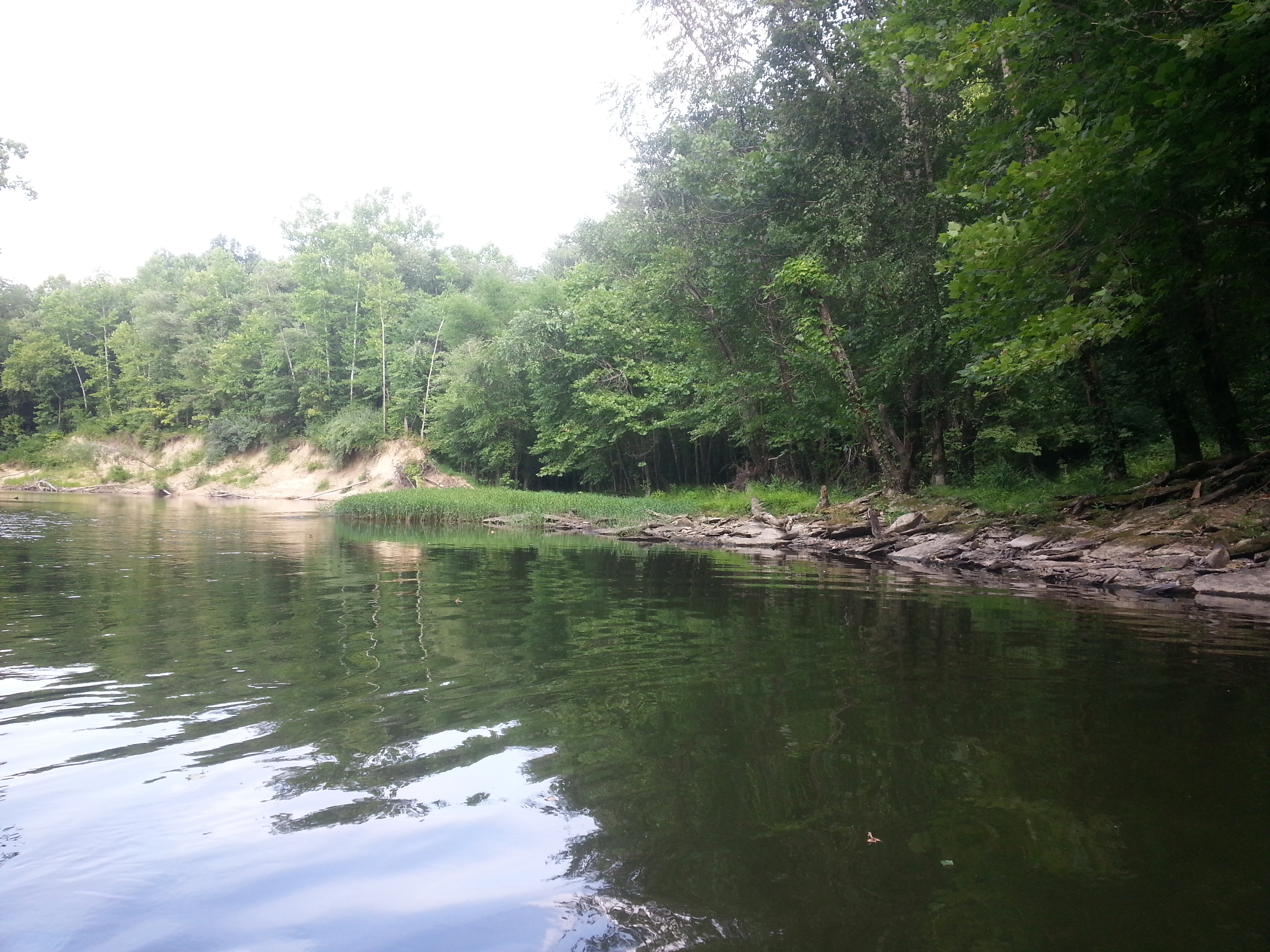
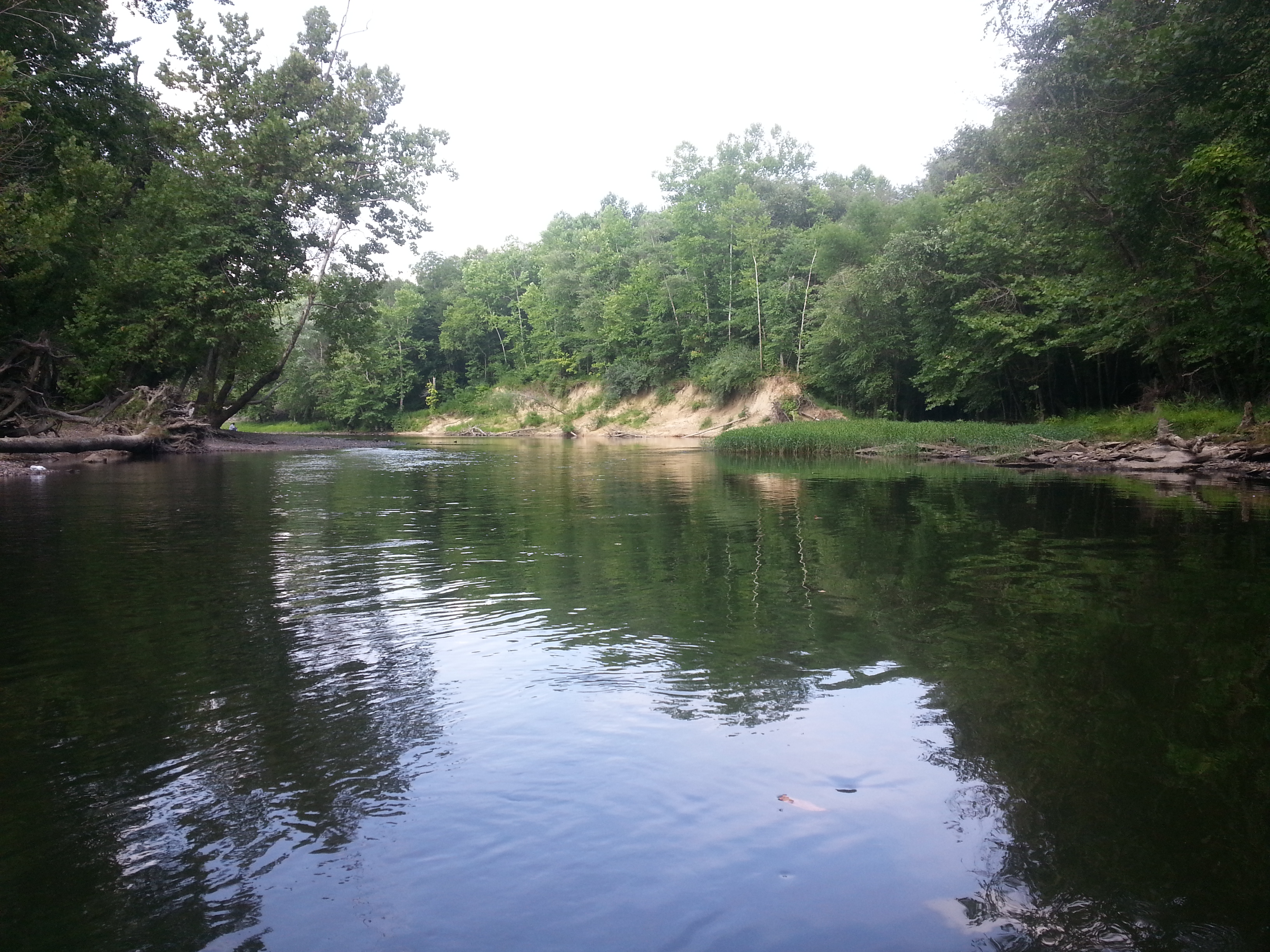
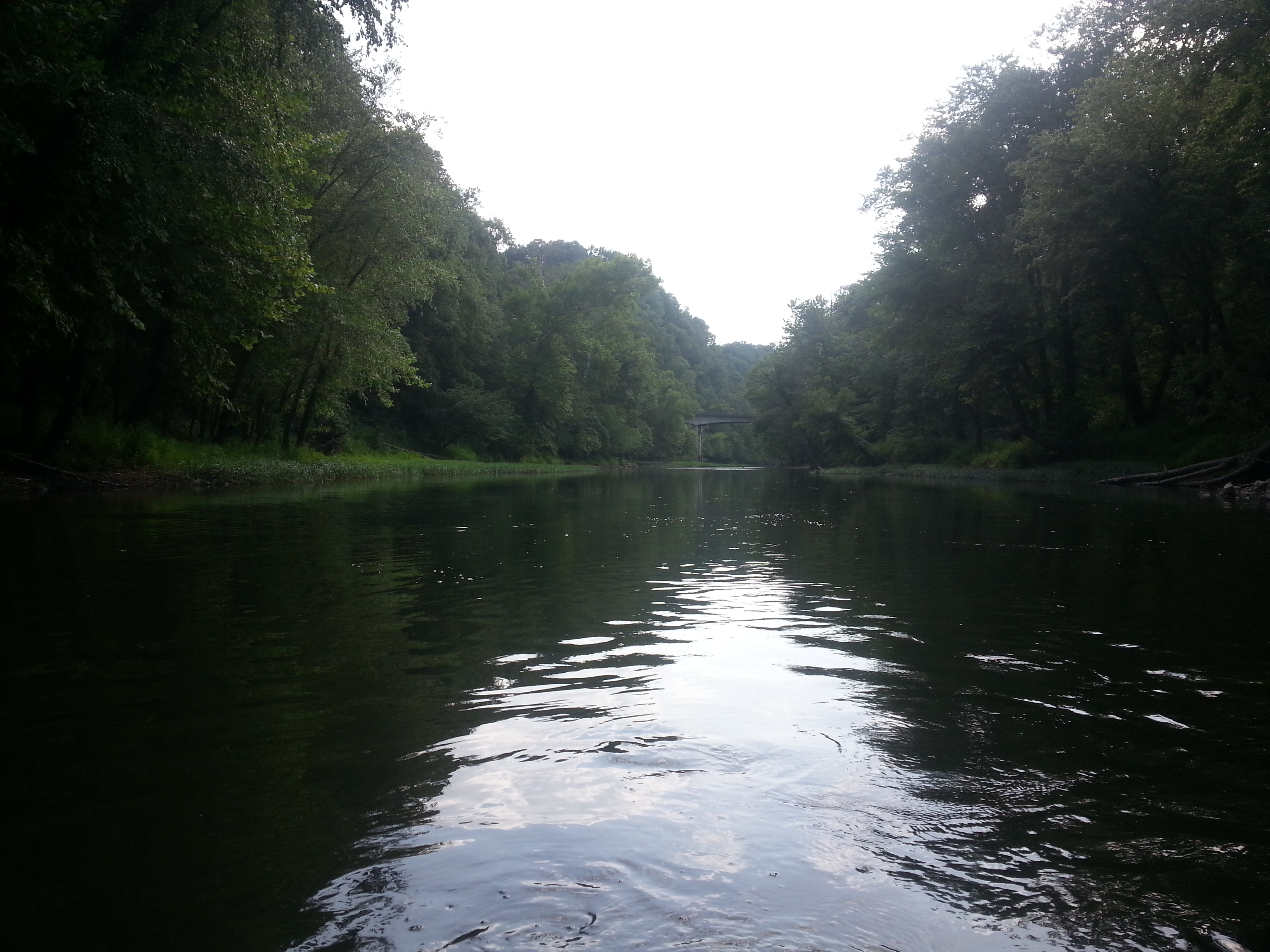
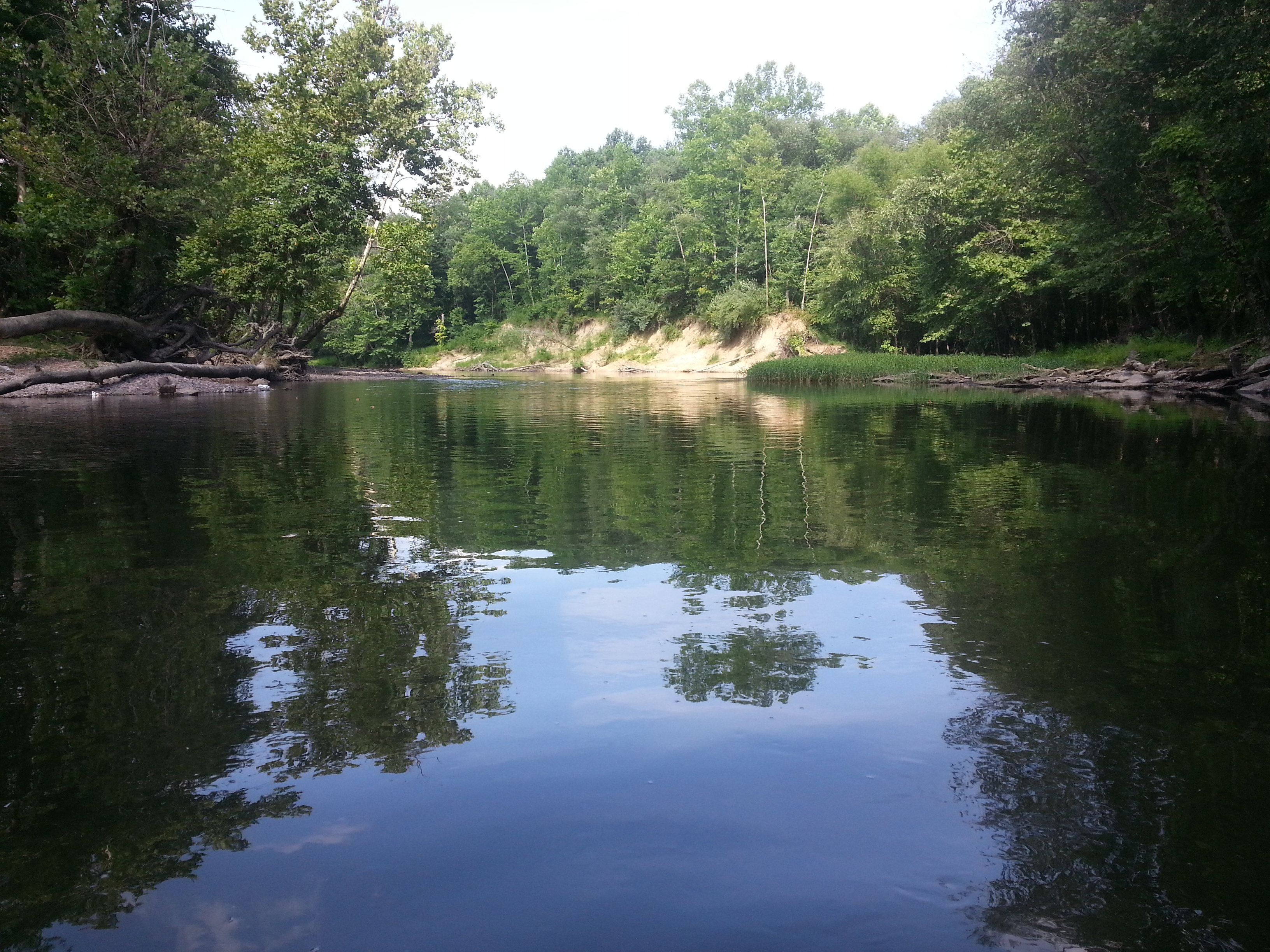
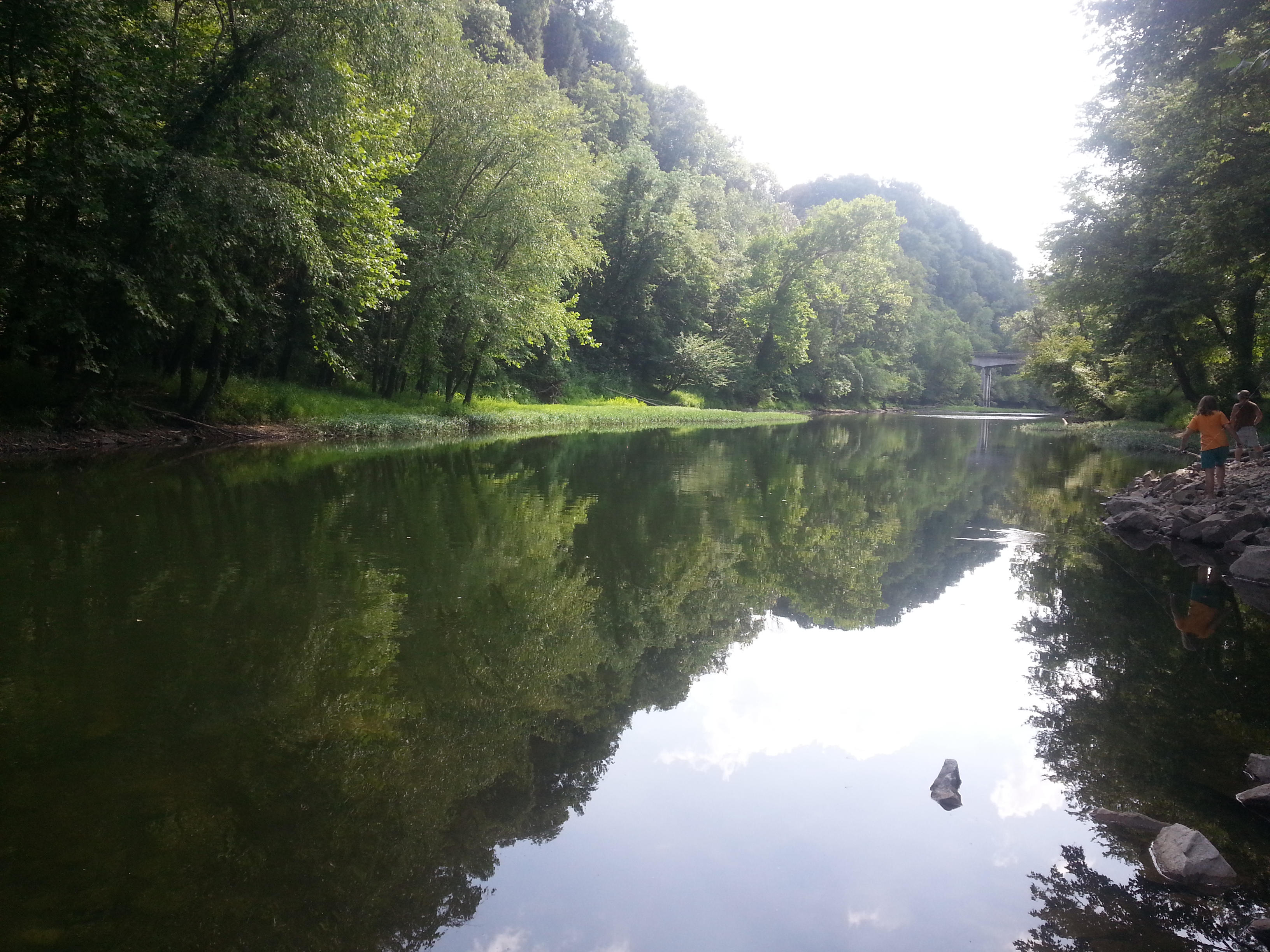
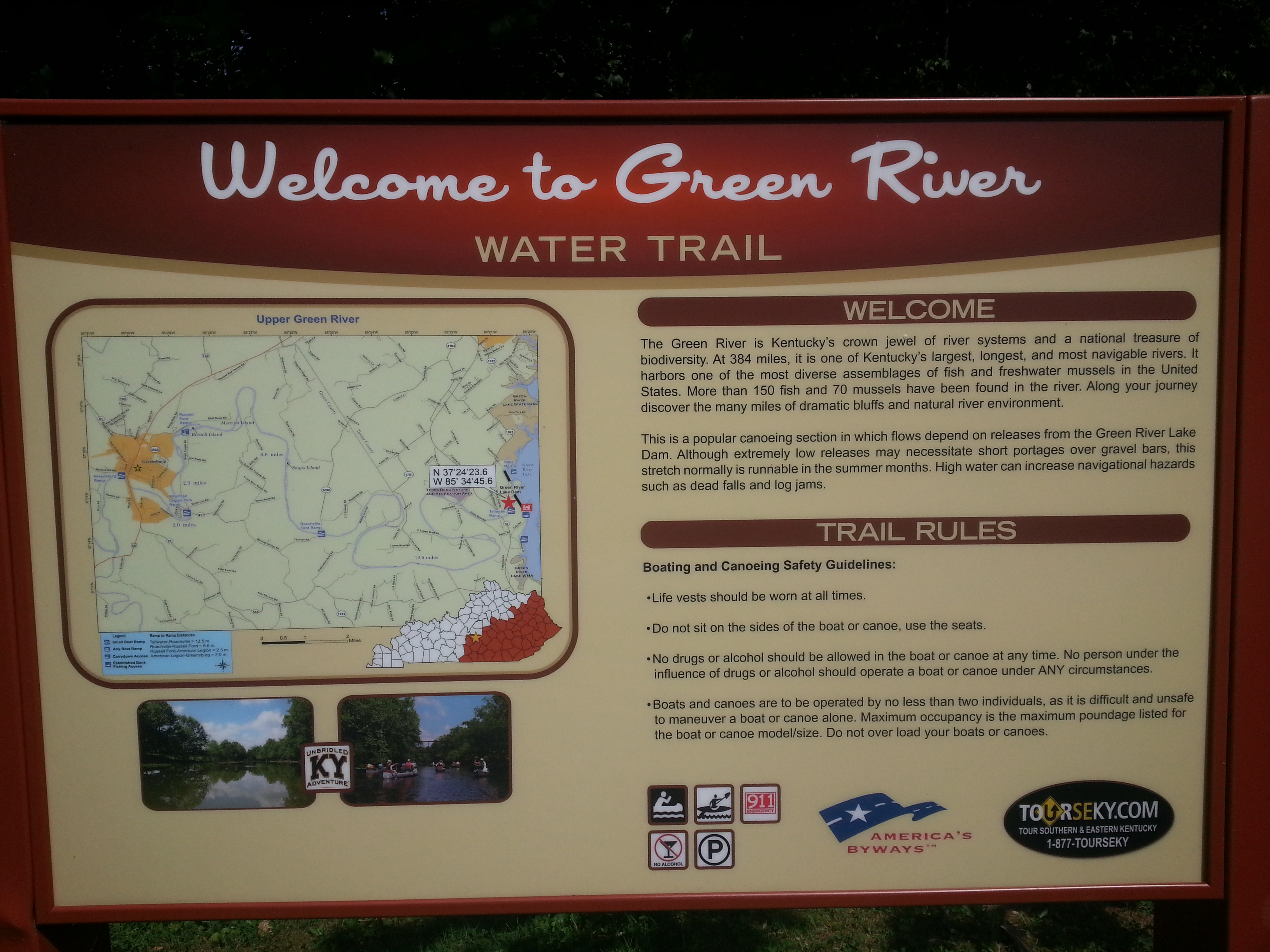
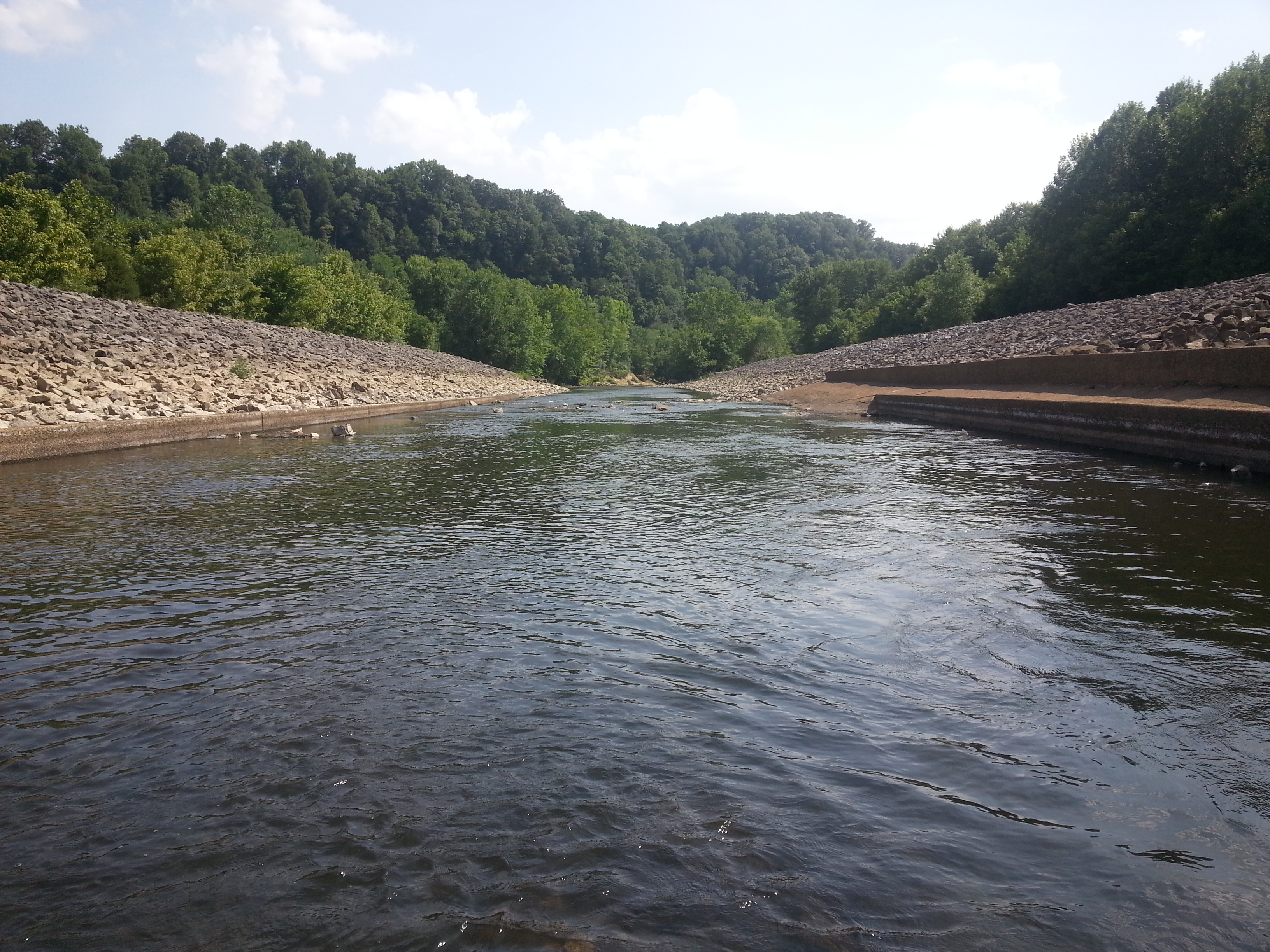
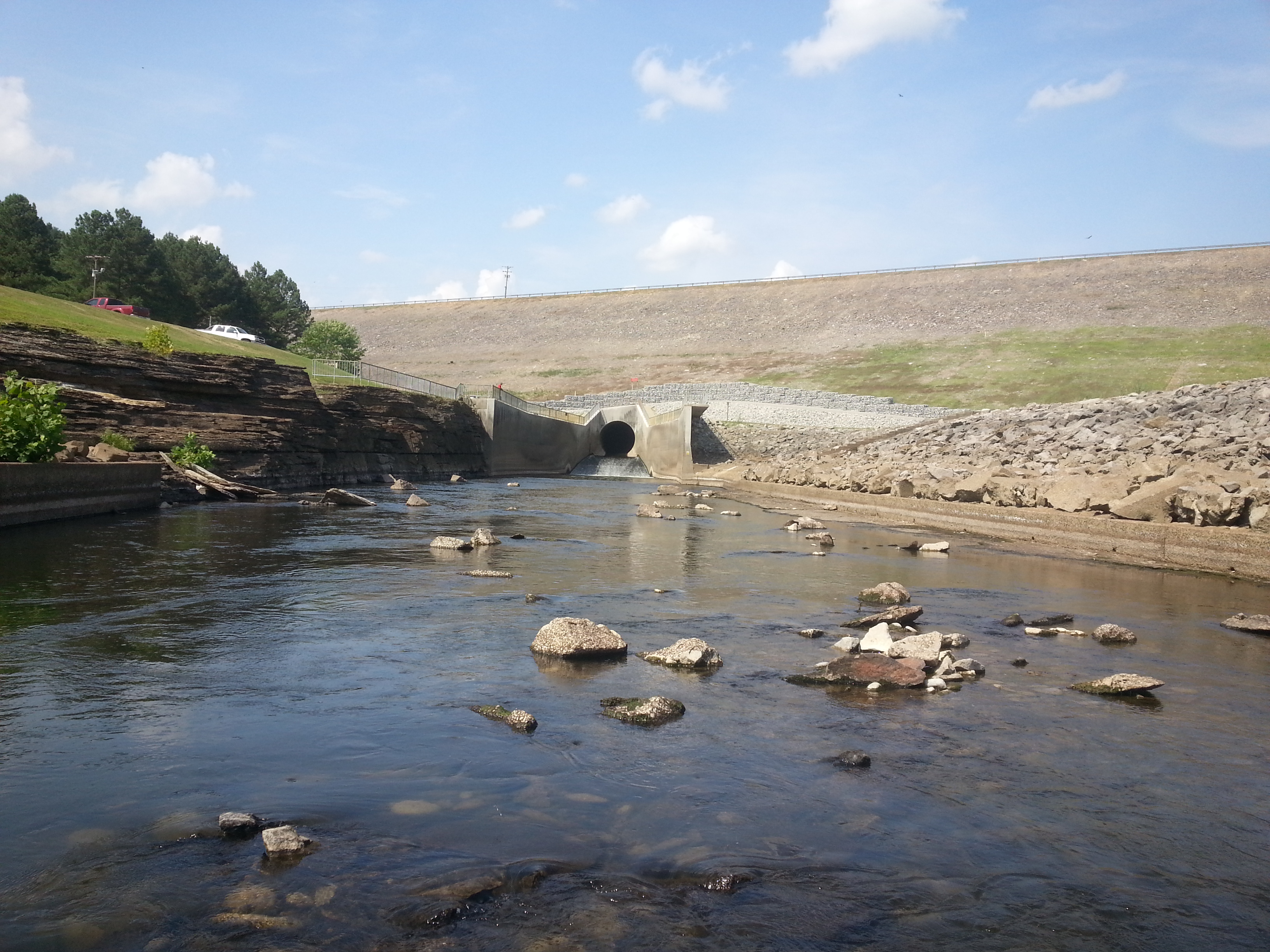
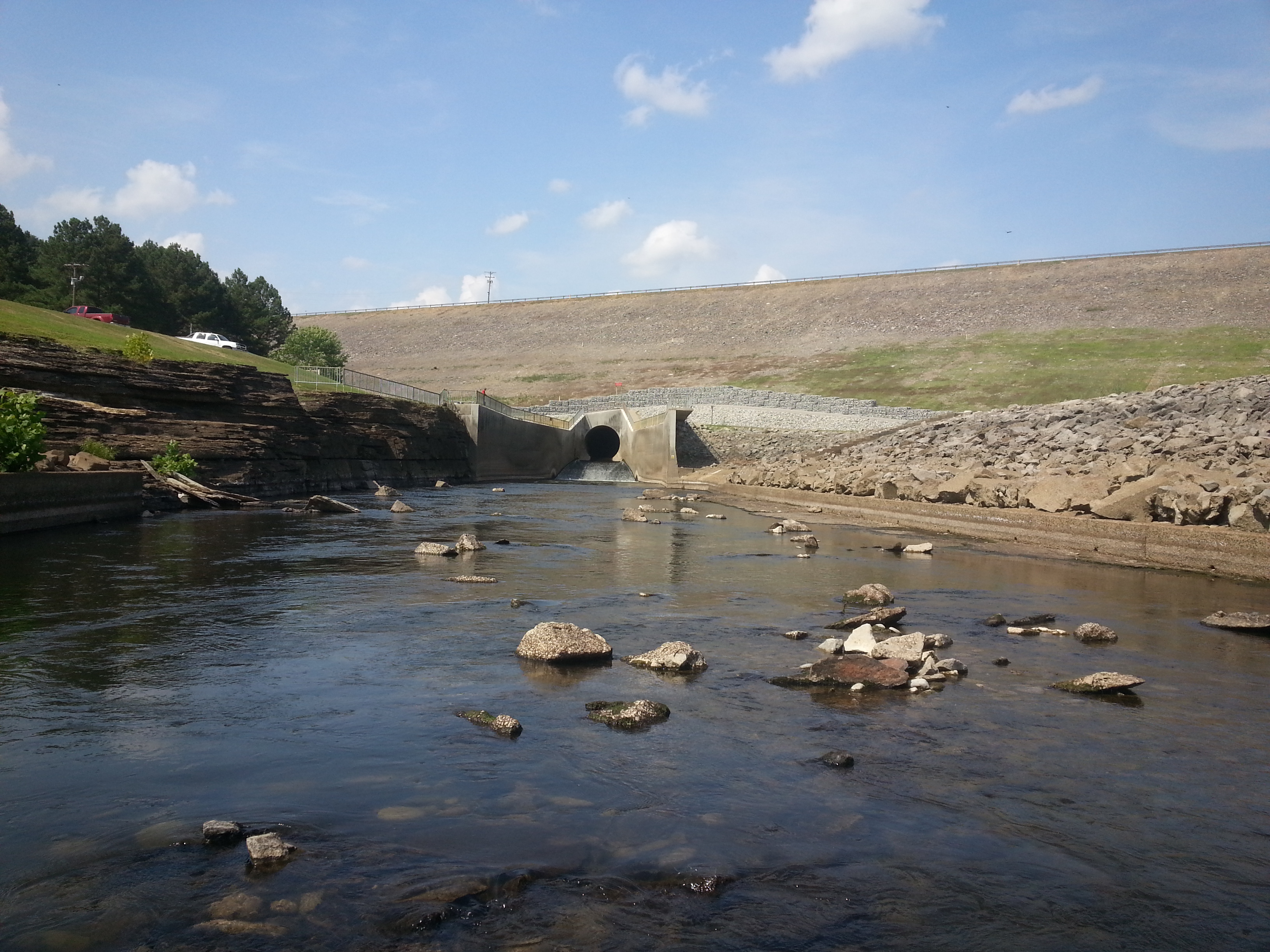
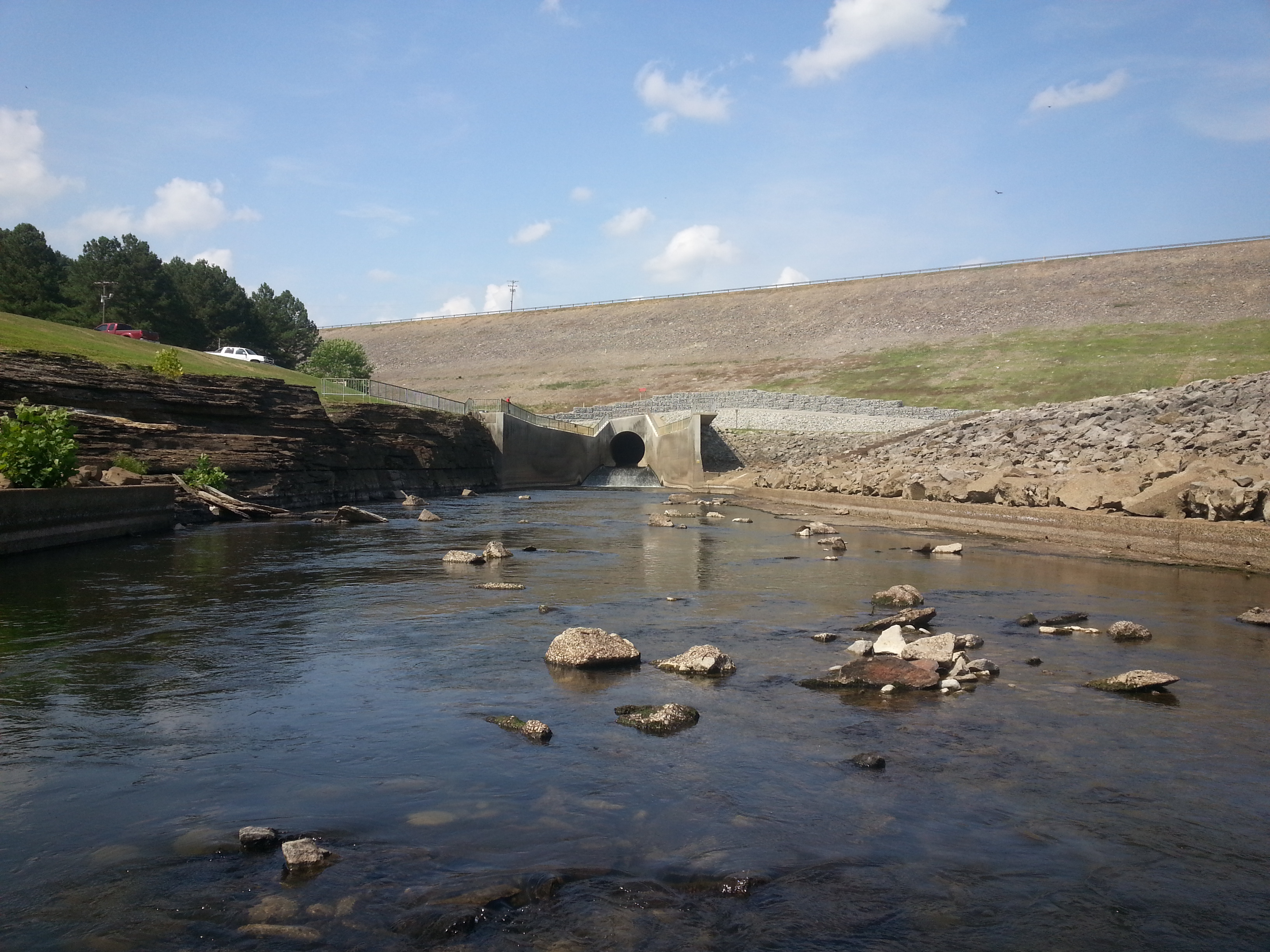
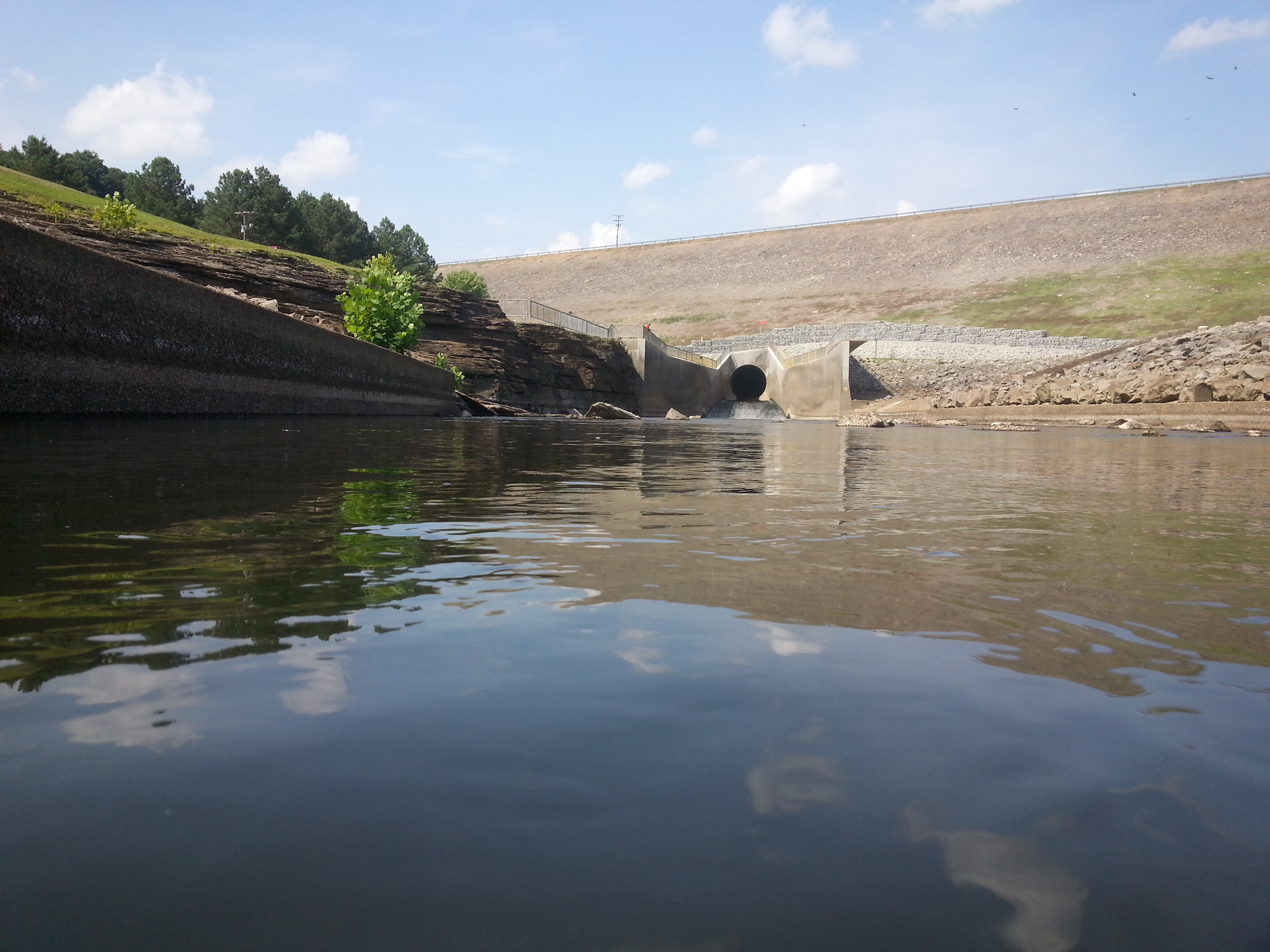
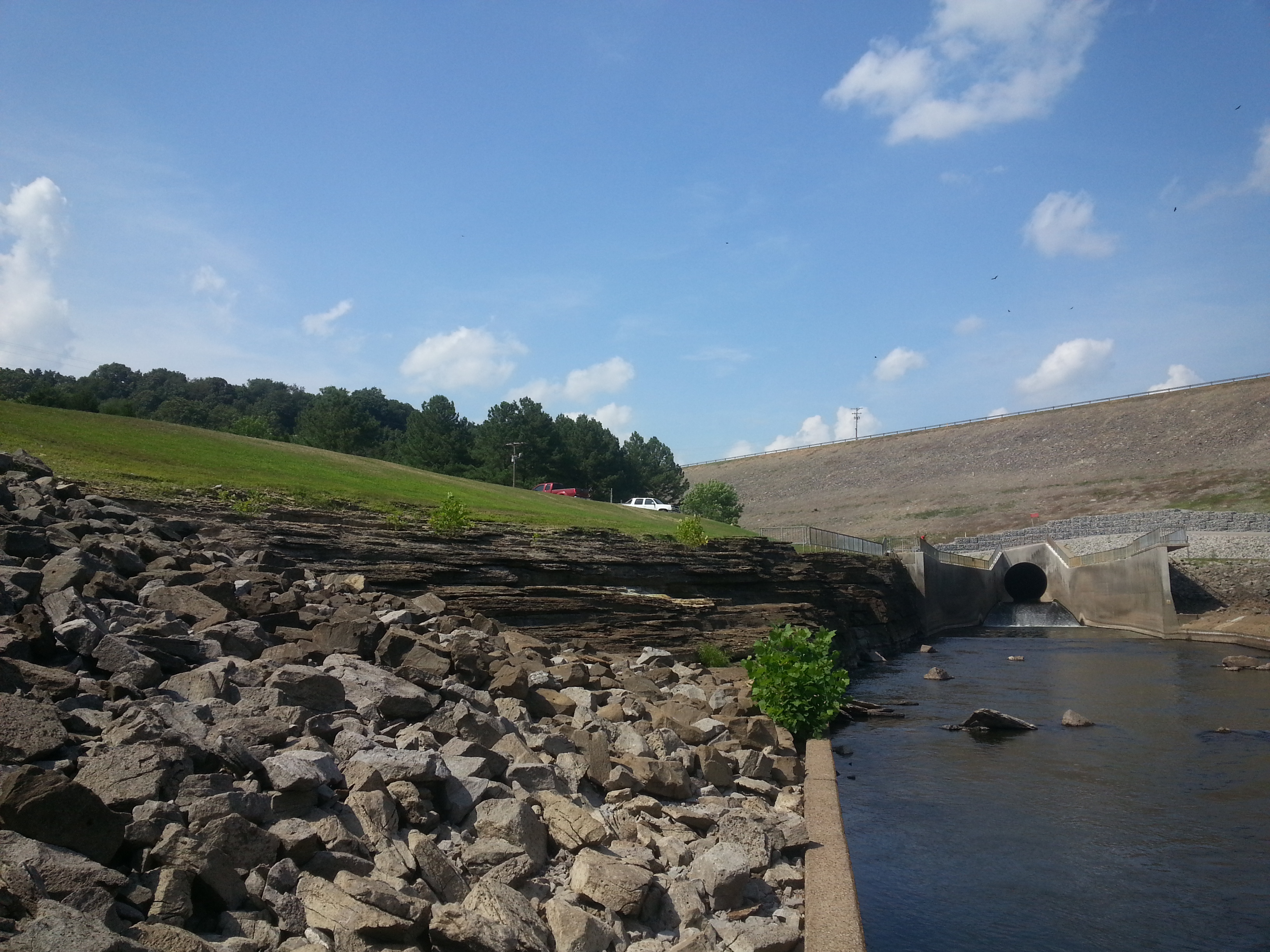
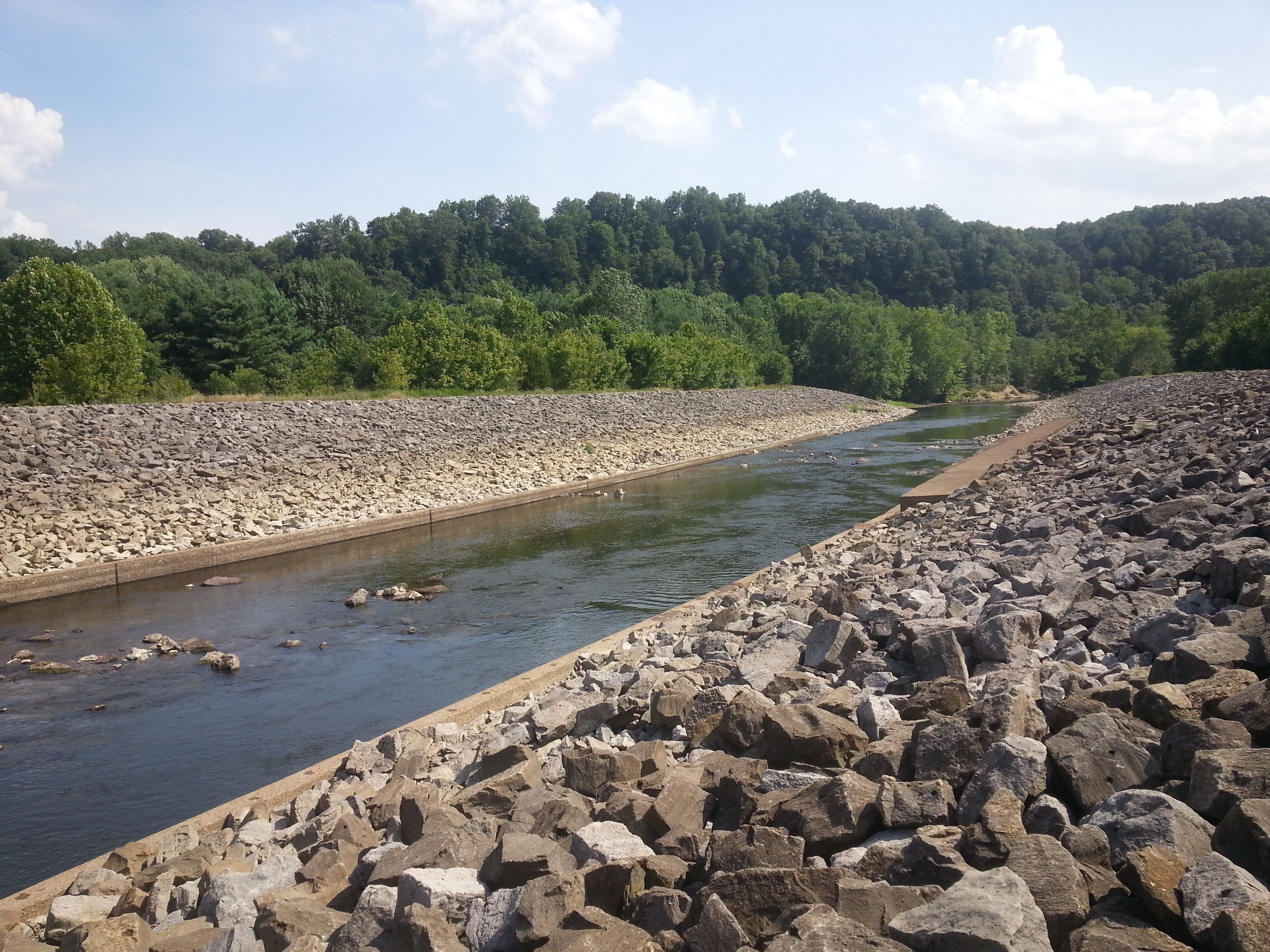
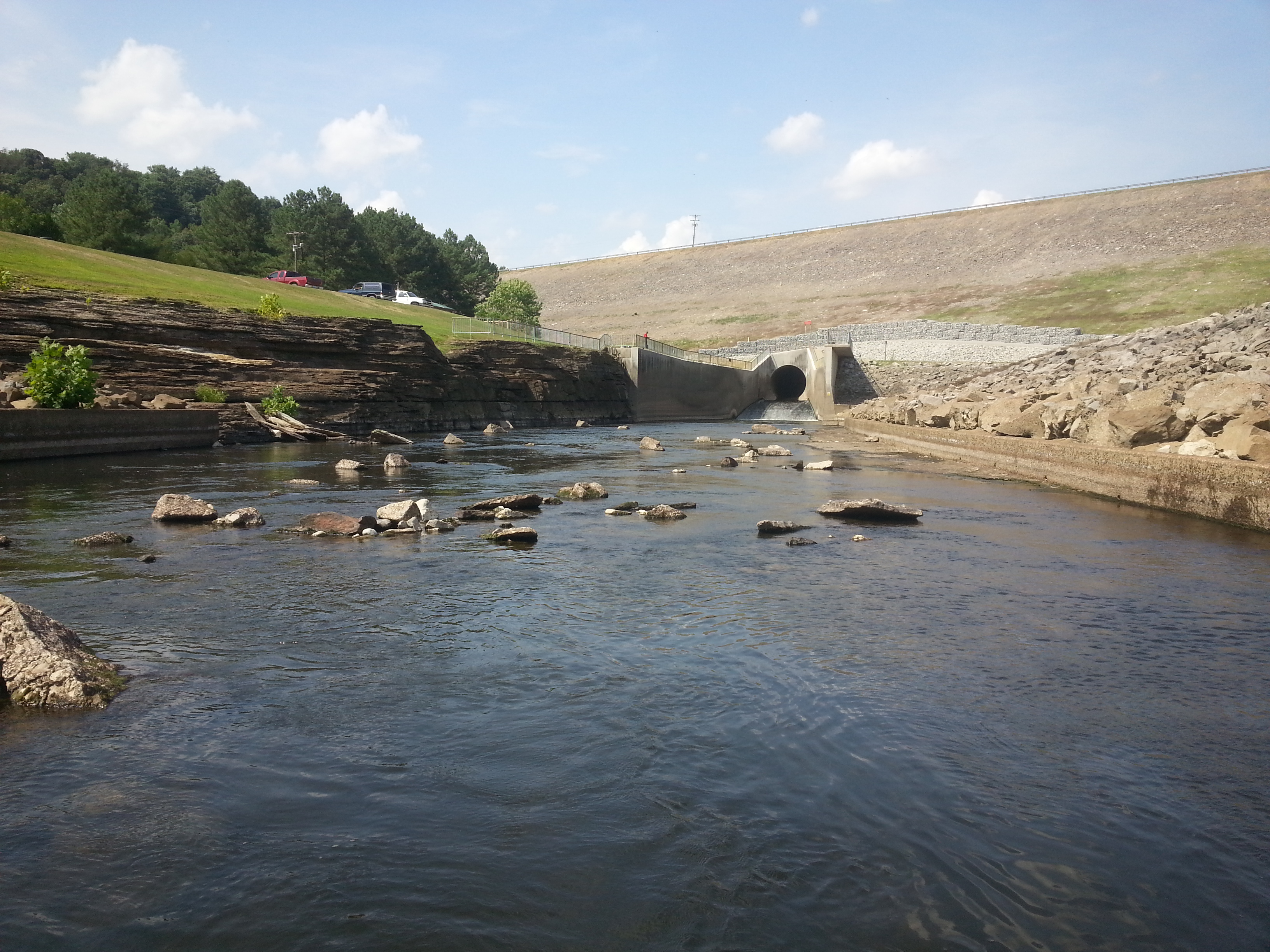
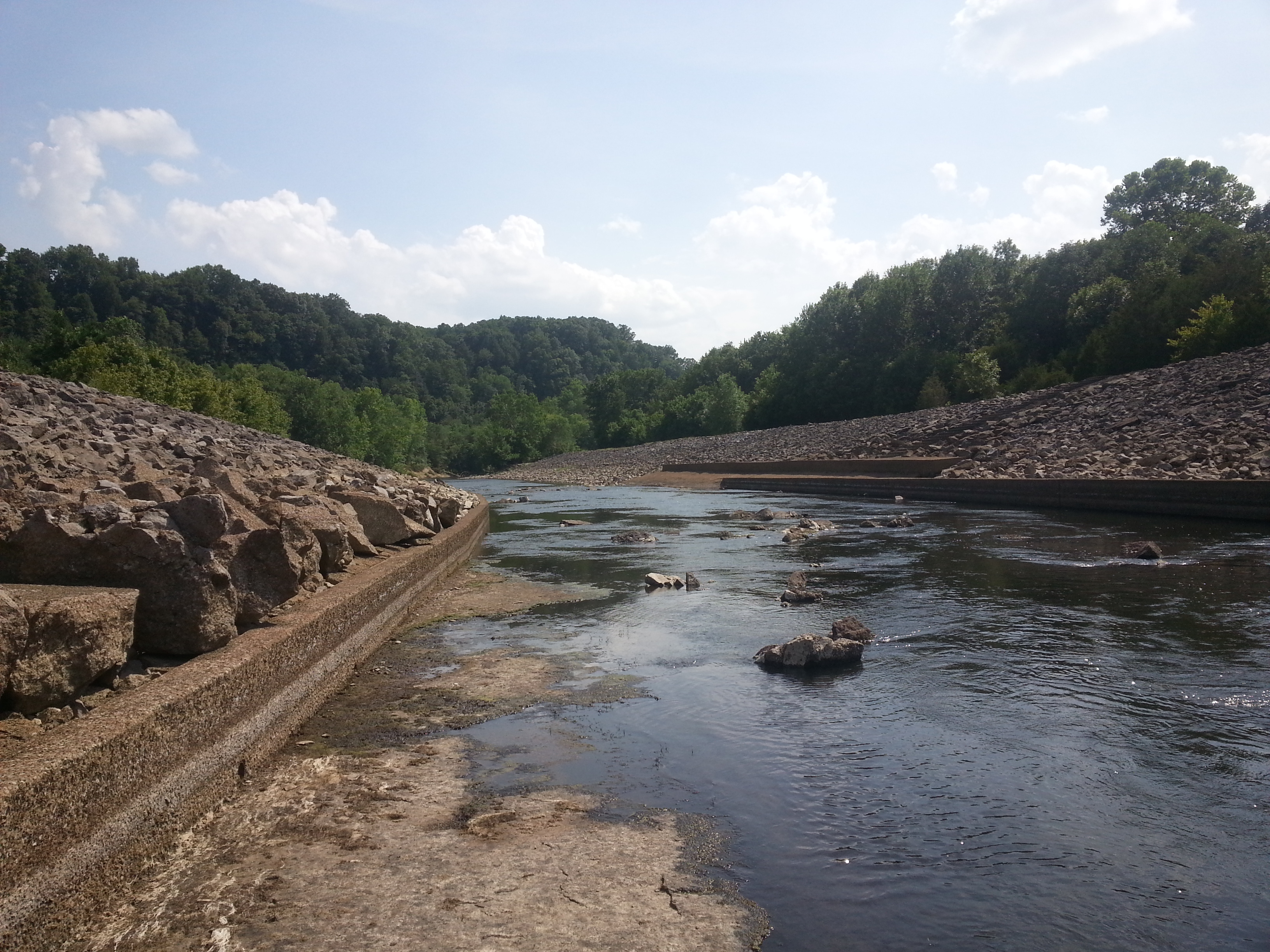
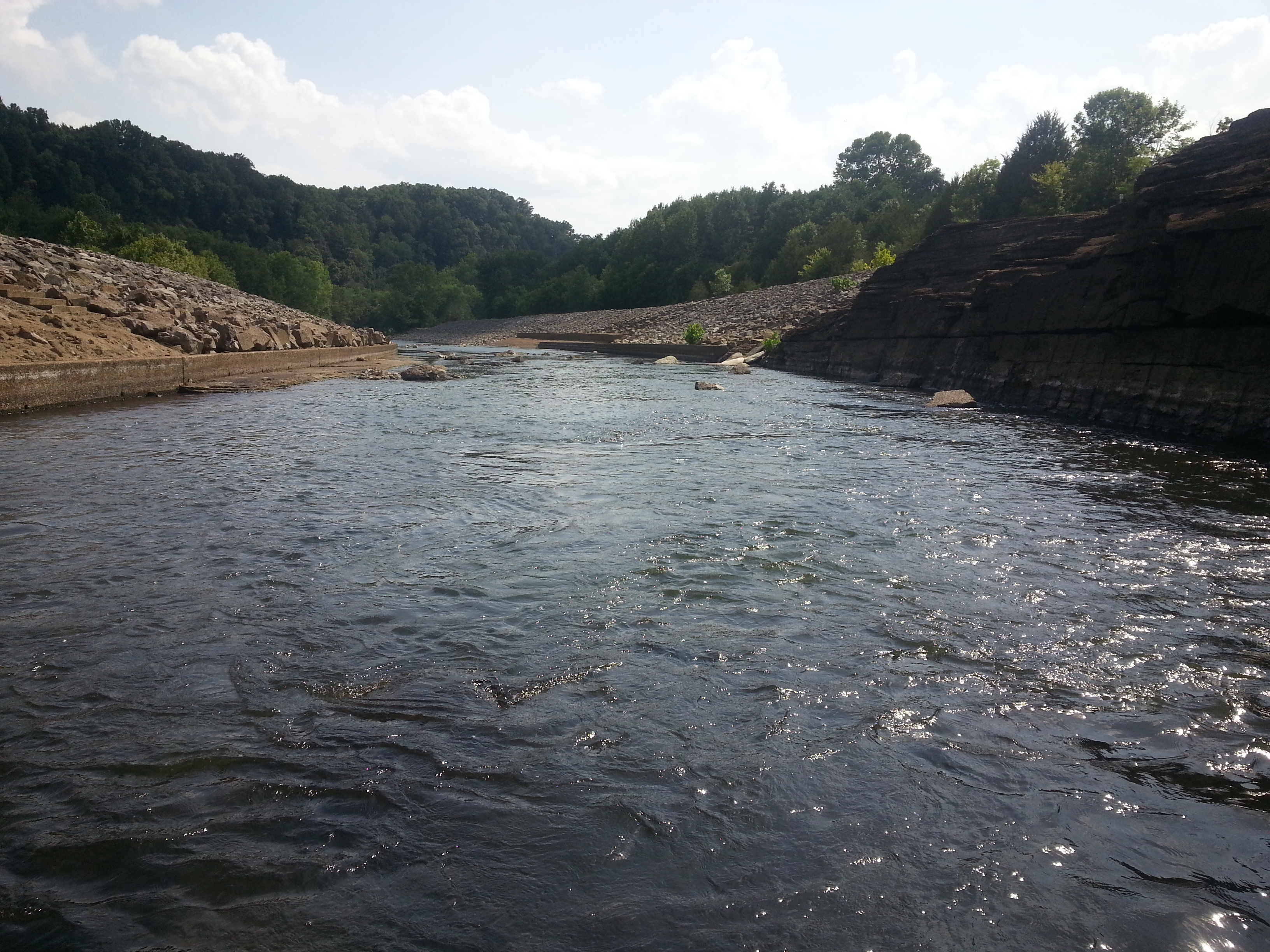
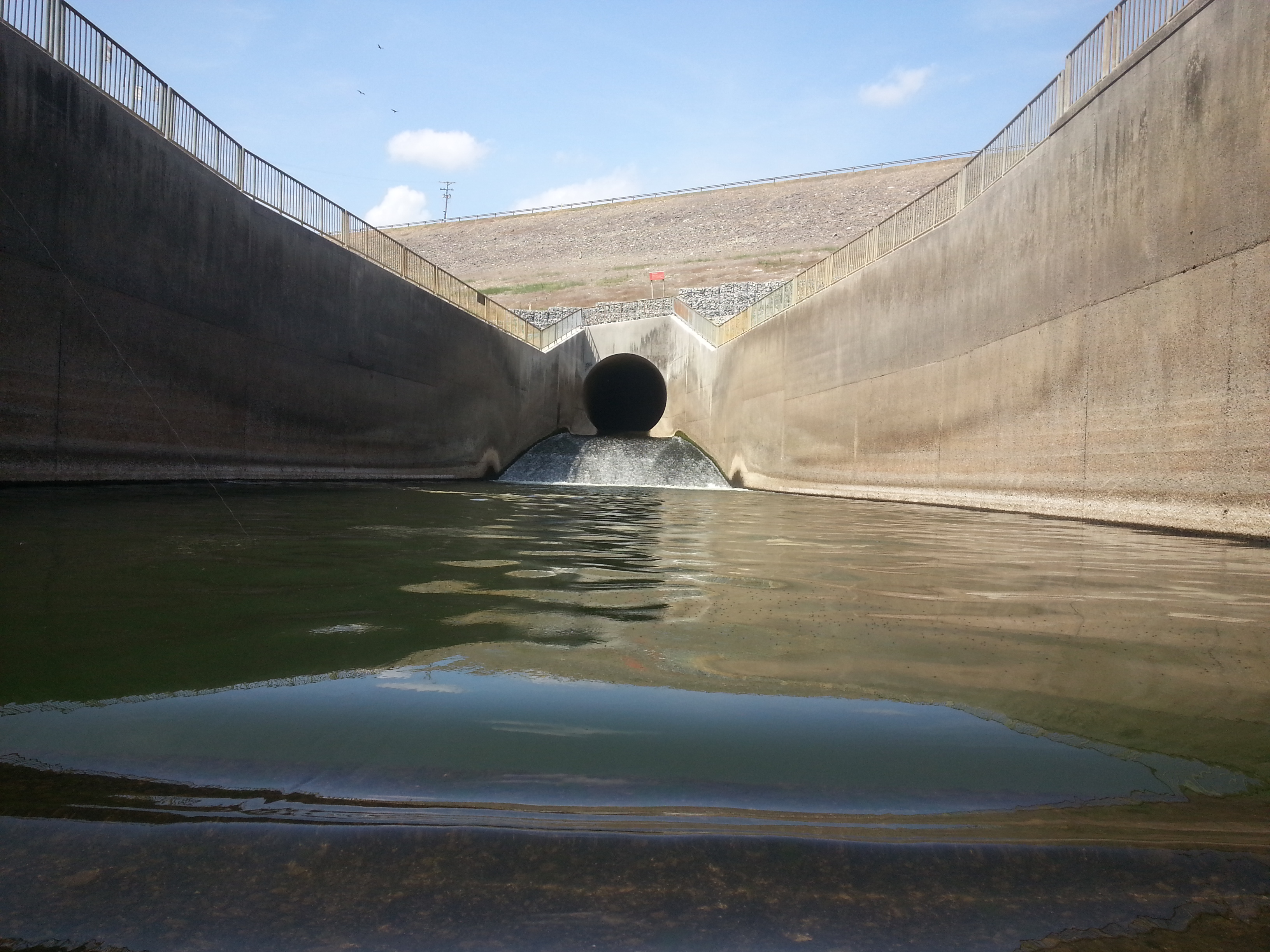
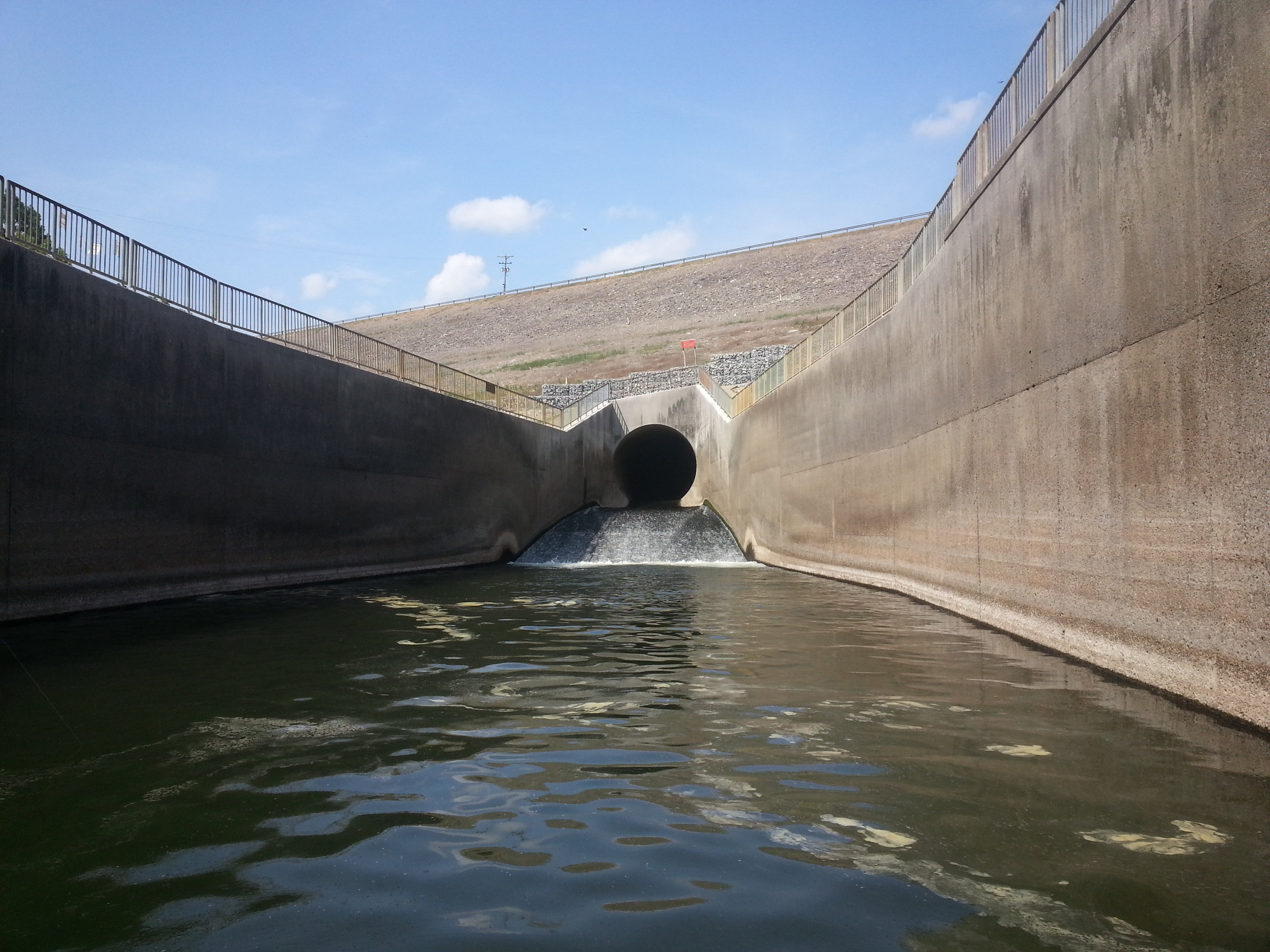
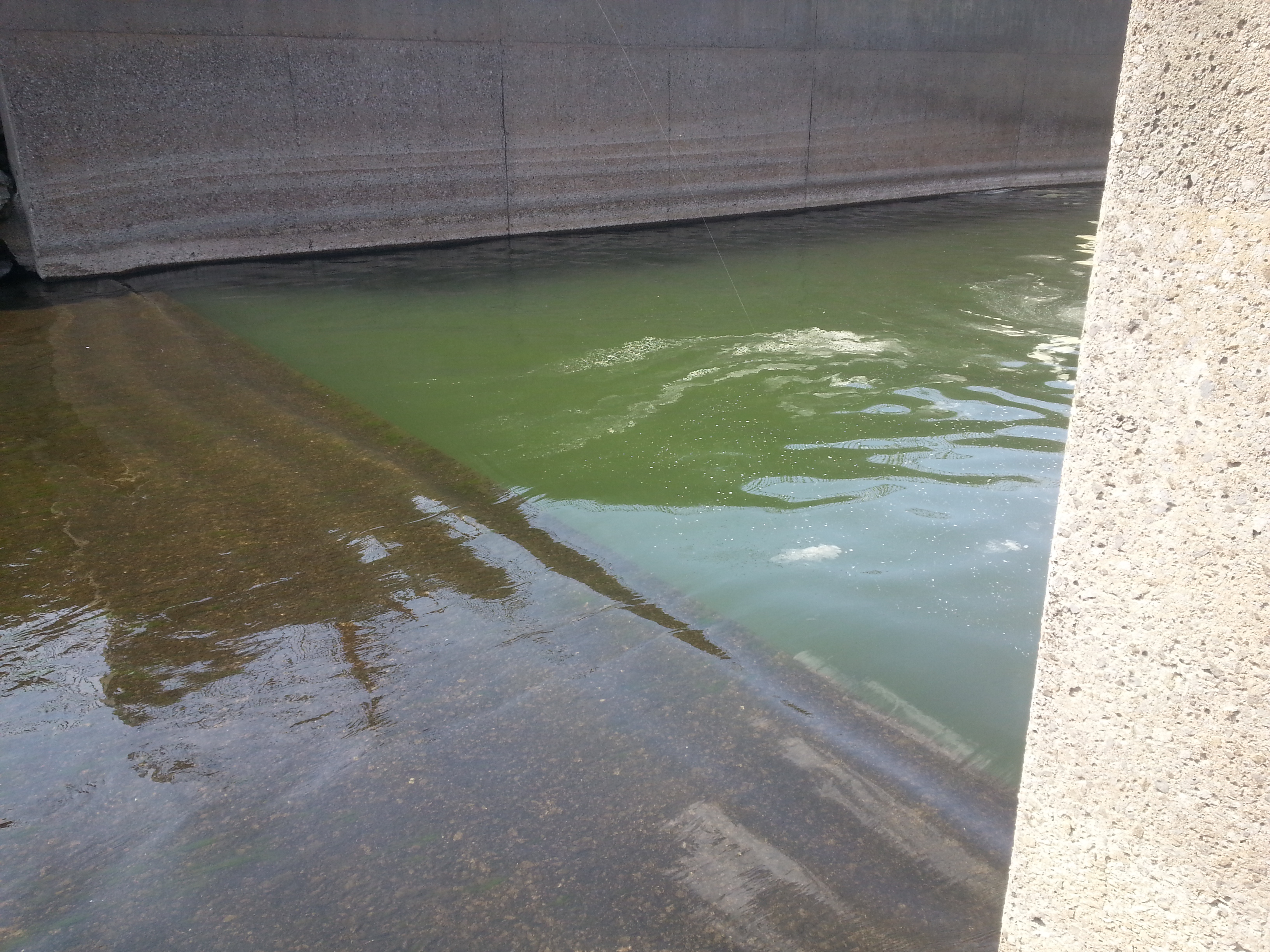
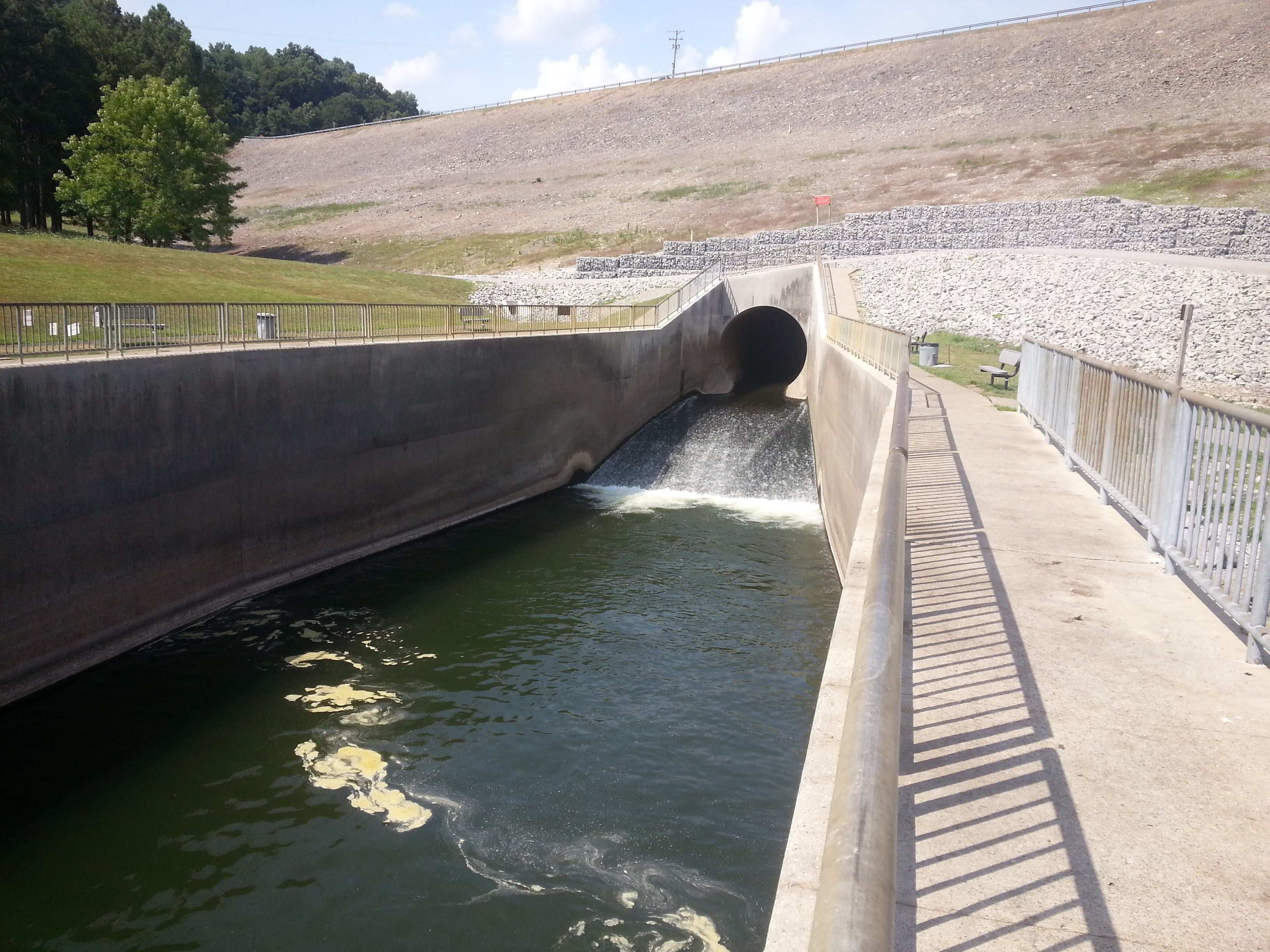
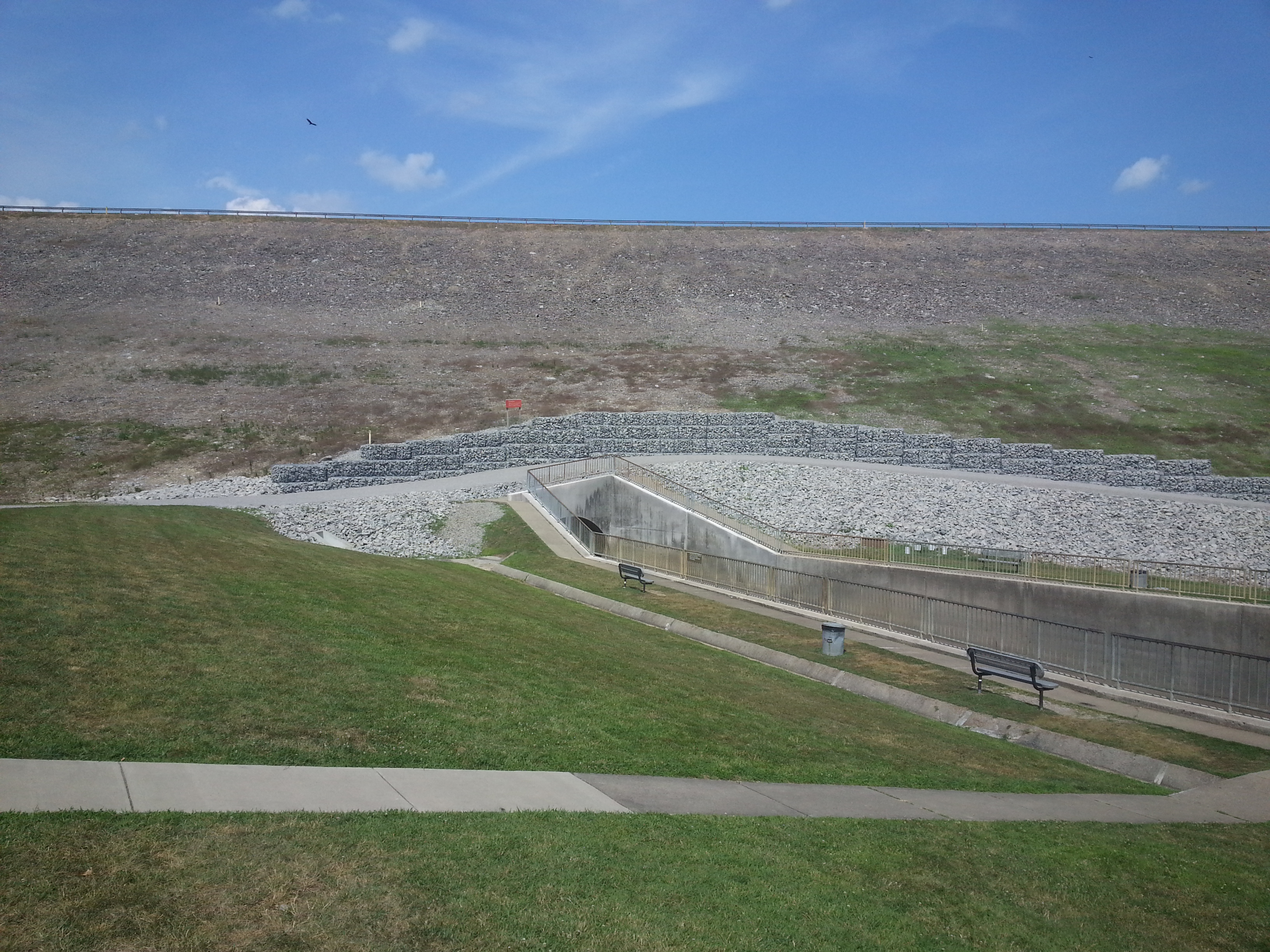
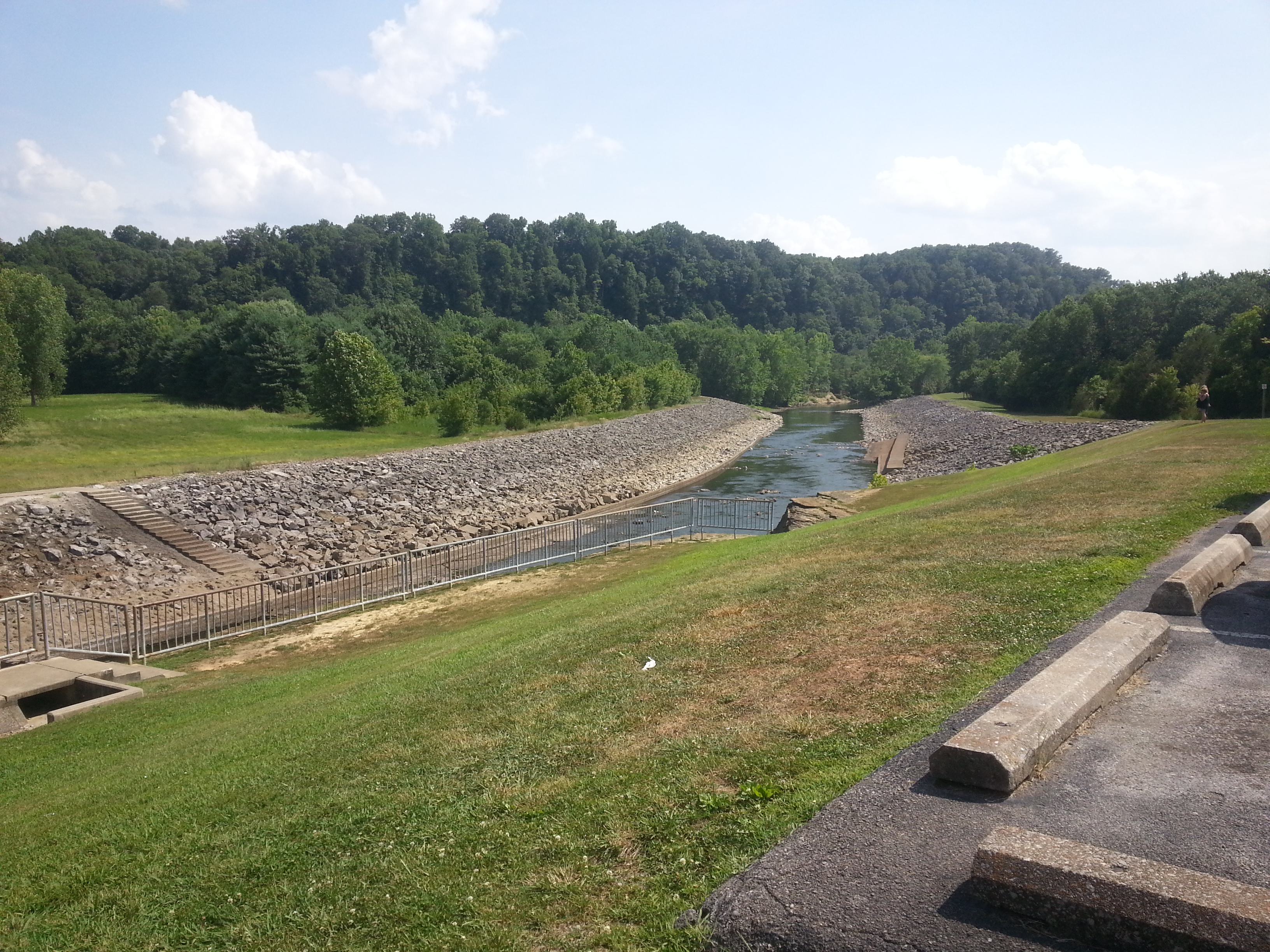
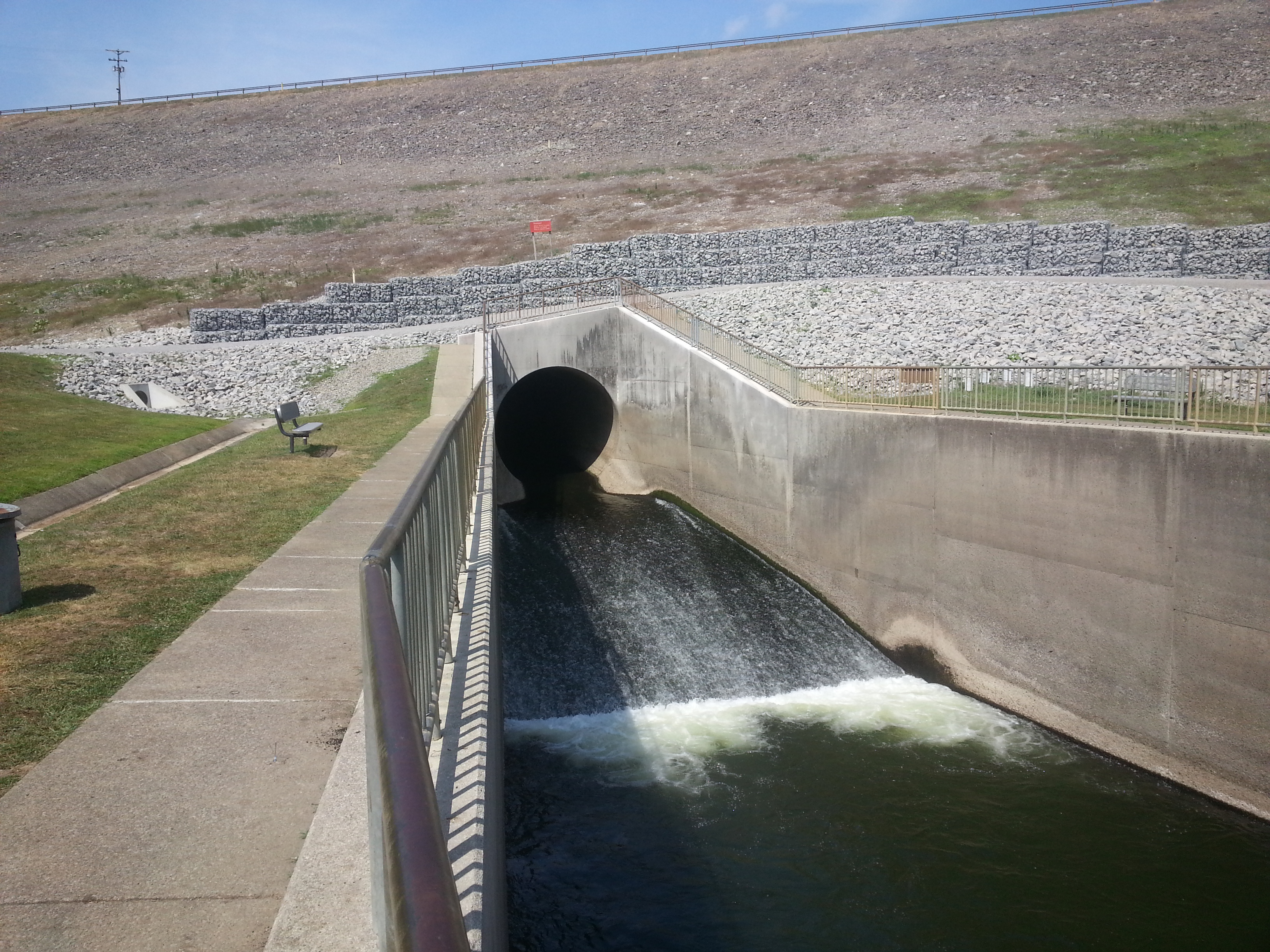
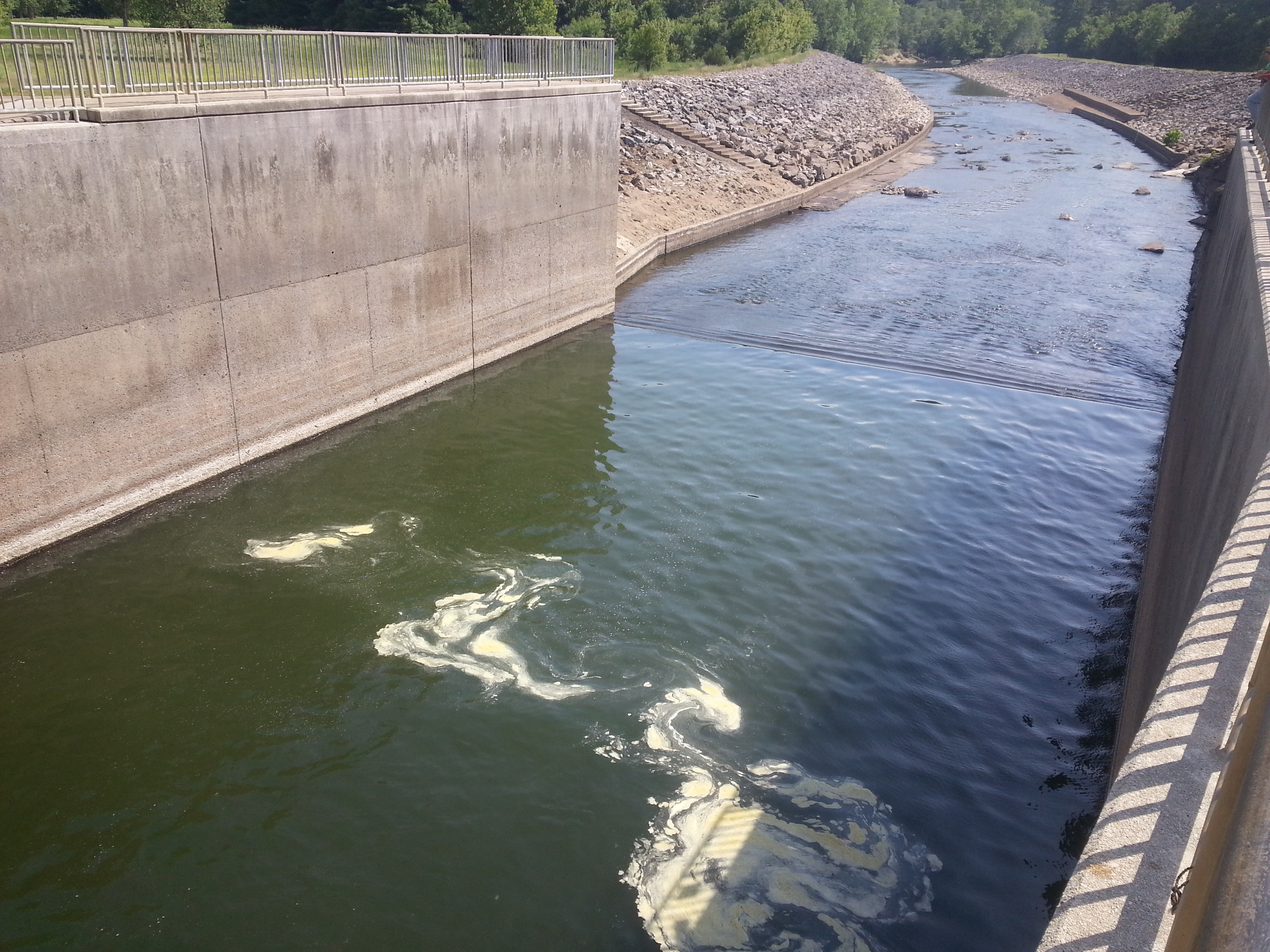
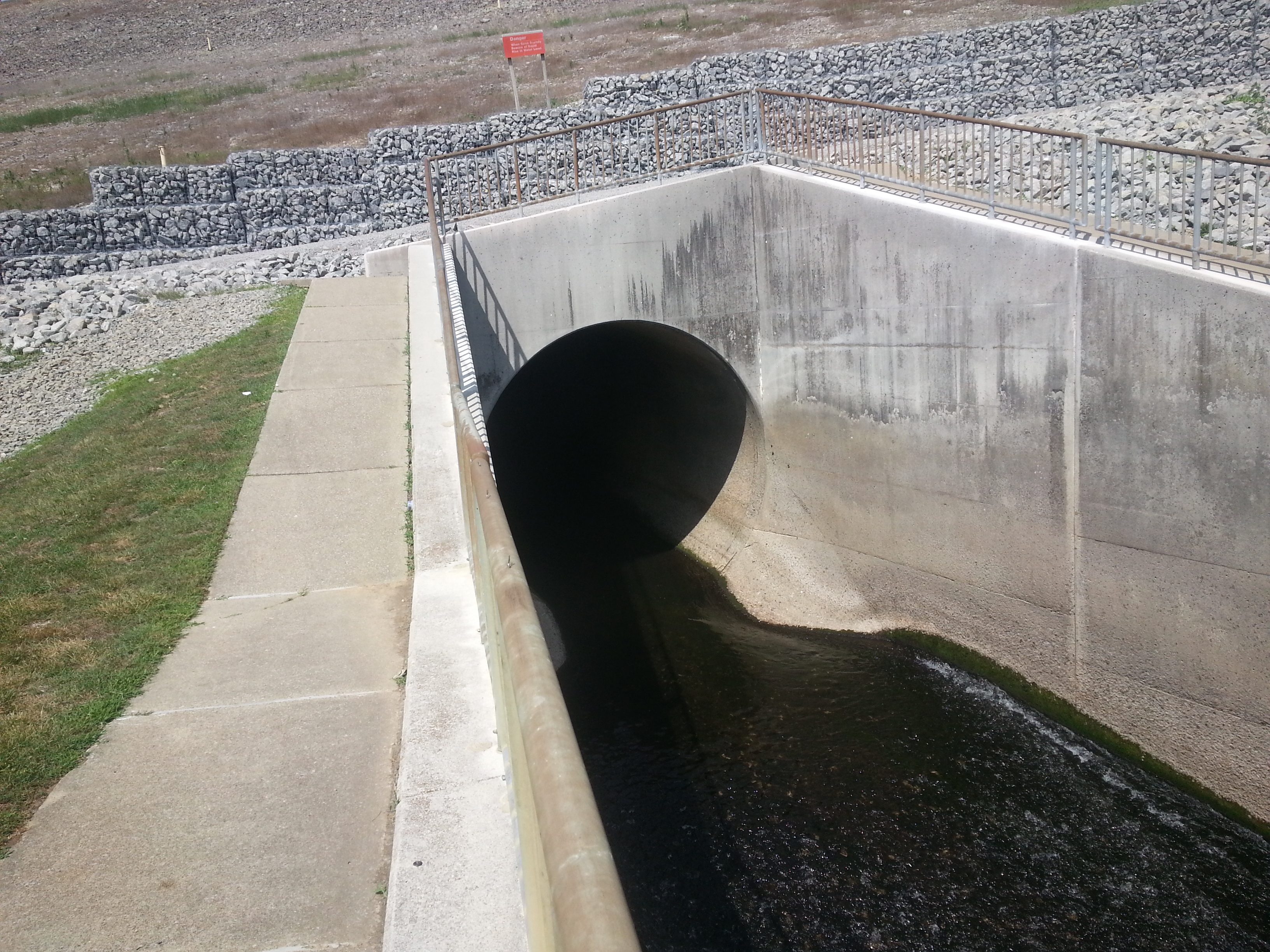
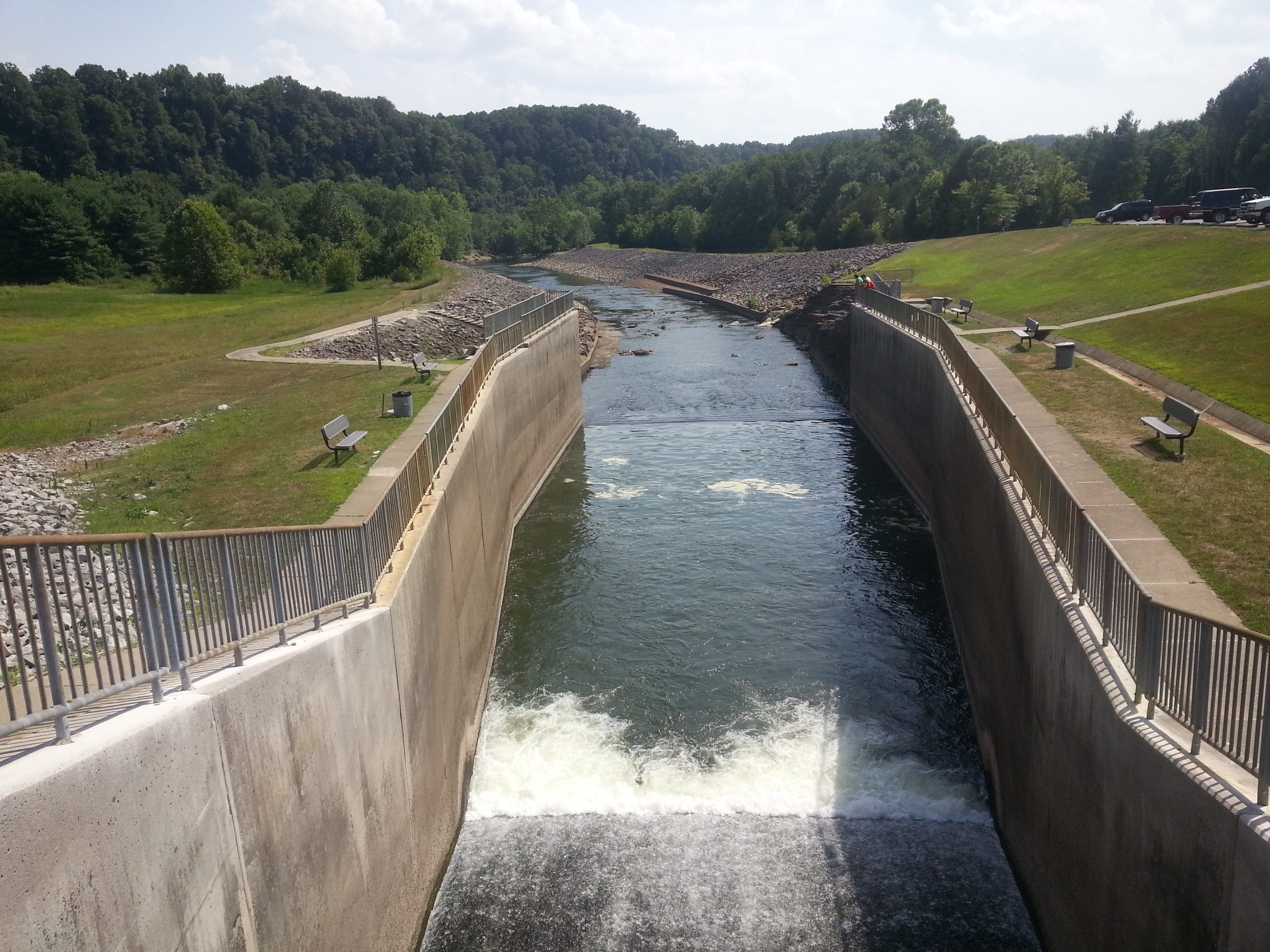
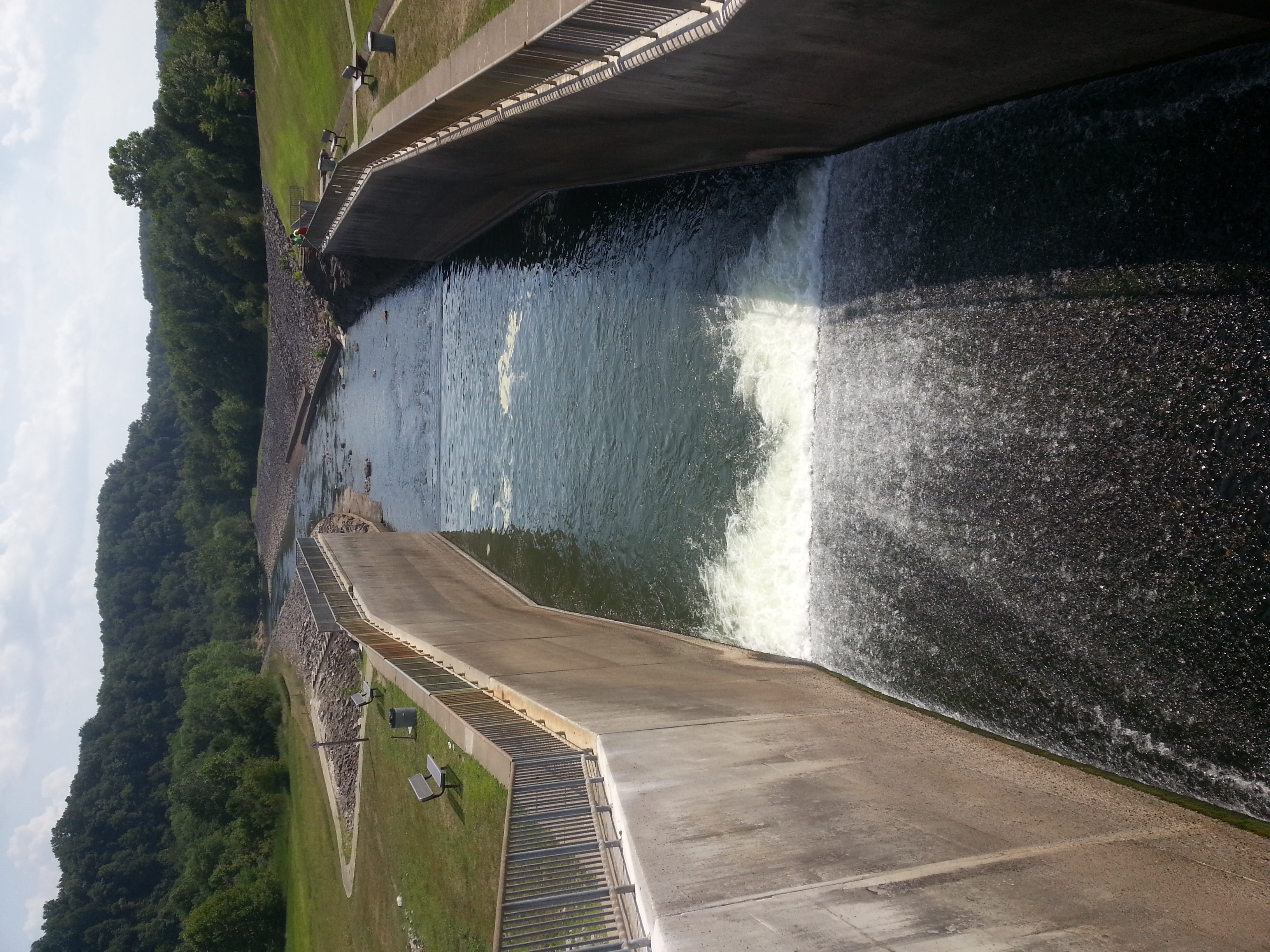
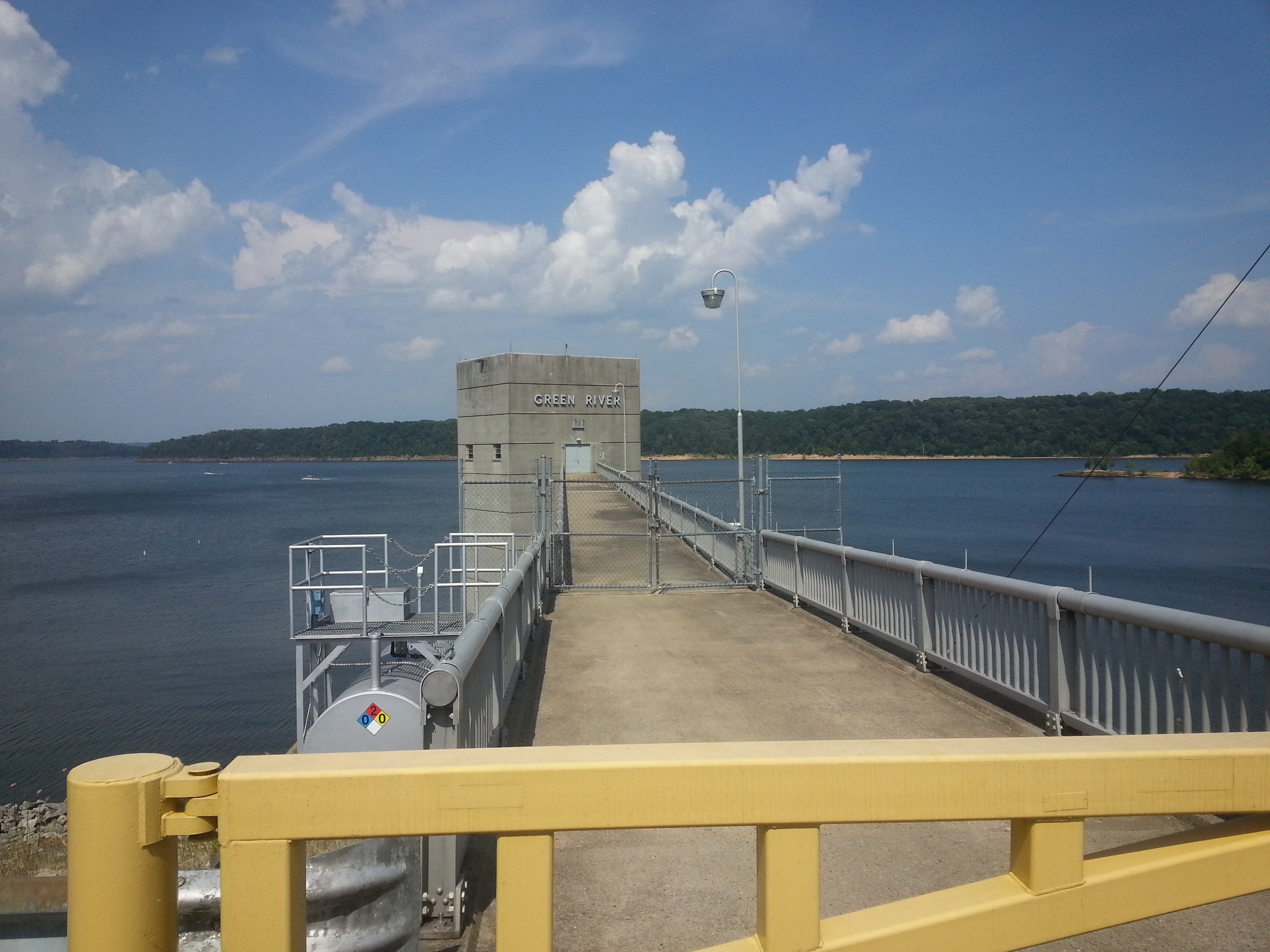
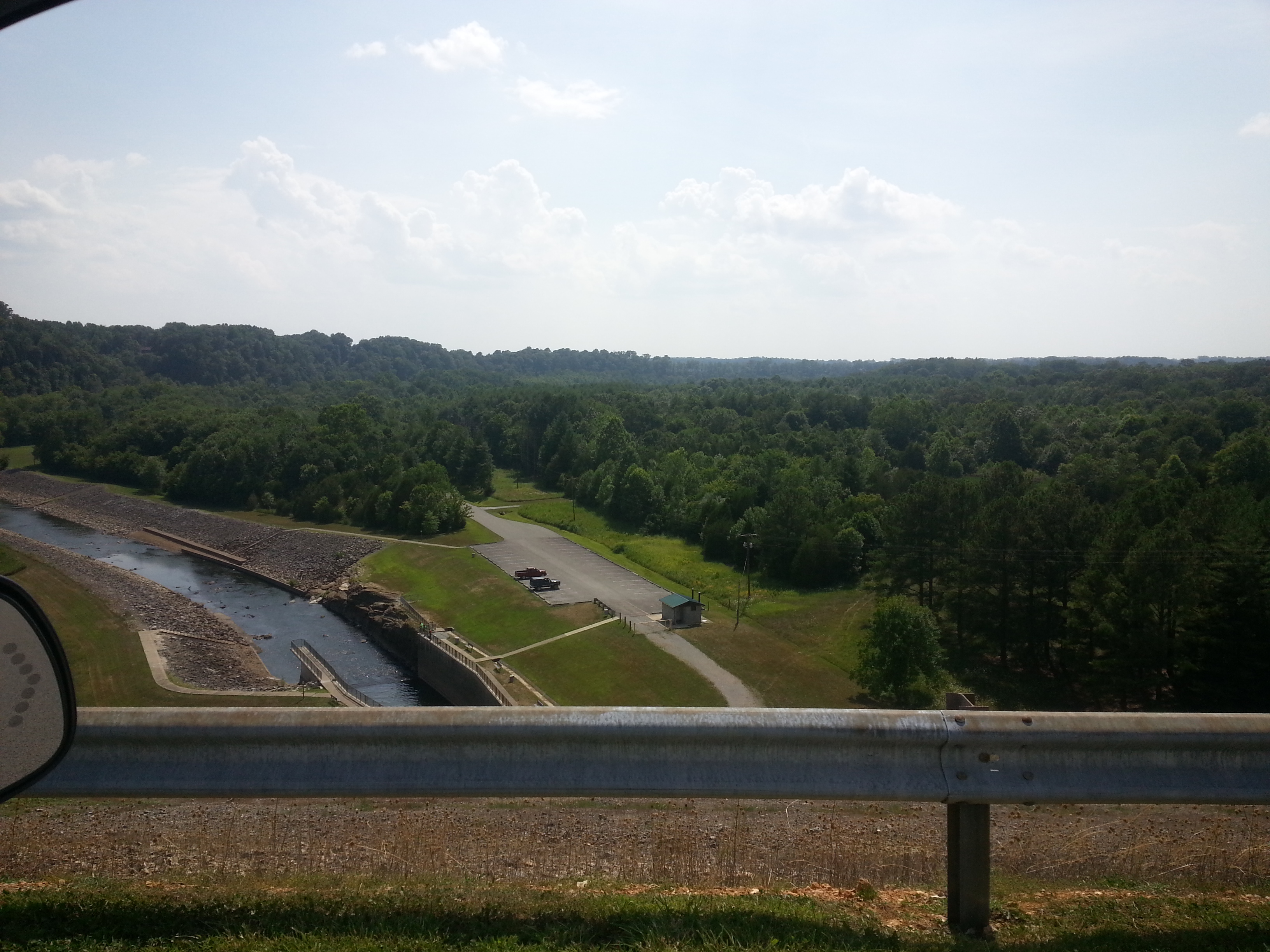
No time for a lengthy and boring exposition. Let’s just say green River Lake is gorgeous, and I highly recommend you check it out!